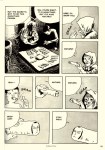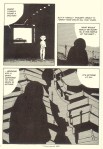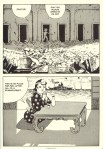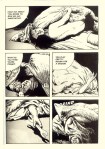
Innovative/Notable Webcomics (I): Memory Lane

THE BLOODY FOOTPRINT by Lilli Carré

In The Bloody Footprint (link) published by The New York Times on February 5, 2015, American multidisciplinary artist, illustrator and cartoonist Lilli Carré explores a personal memory yet later reclaimed by one of her childhood friends. Who experienced the event and who made its recollection her own? An intimate and effective take on the blurred contours of memory through a clever blend of prose, comics and GIF animation.


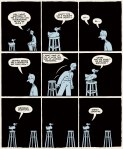
MIRROR by Chris Ware & John Kuramoto

More animated film than webcomics (yet using comics features), Mirror (link) is the result of a collaboration between The New Yorker and the radio program This American Life.  Through a cover for The New Yorker and its expansion as a short animated feature, extraordinary American cartoonist Chris Ware – with the assistance of John Kuramoto -revisits a radio interview (and an interesting reflection) of writer Hanna Rosin and her daugther about parenting, makeup and teenage self-awareness. Published by The New Yorker on November 30, 2015.


ME AND THE UNIVERSE by Anders Nilsen

In Me and the Universe (link), American cartoonist Anders Nilsen cleverly combines diagrammatic storytelling and the infinite canvas feature to explore his place in the Universe, from ancestral past to more-or-less present and distant future. Published by the New York Times on September 24, 2014.


WHY I LOVE COMICS by Chris Ware

Echoing Anders Nilsen‘s Me and the Universe, Chris Ware‘s Why I Love Comics (link) also depicts an artist’s lifetime on Earth. Playing with iconic solidarity and text spatialisation, the first word of each rounded panel spells out an acrostic hidden message. Published by The New York Times on October 16, 2015. Note also the epigraph:

“Cartooning is the art of turning time back into space.” Art Spiegelman.  

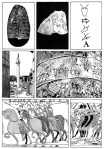
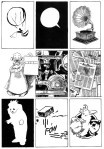
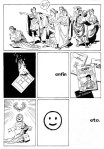
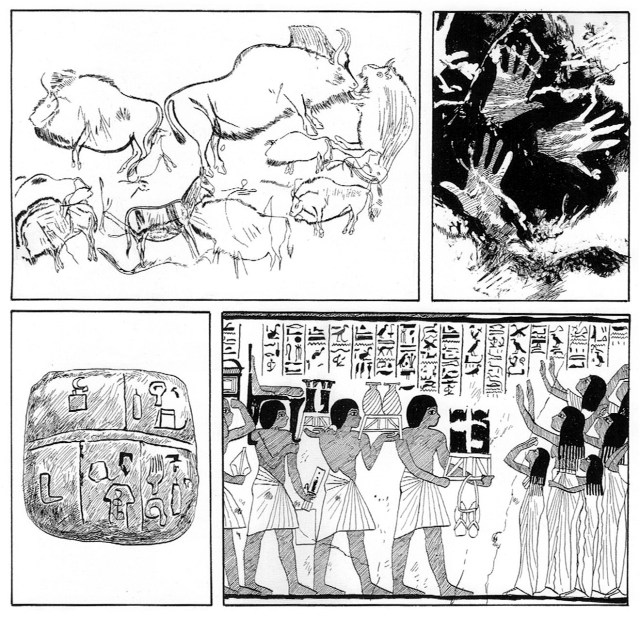
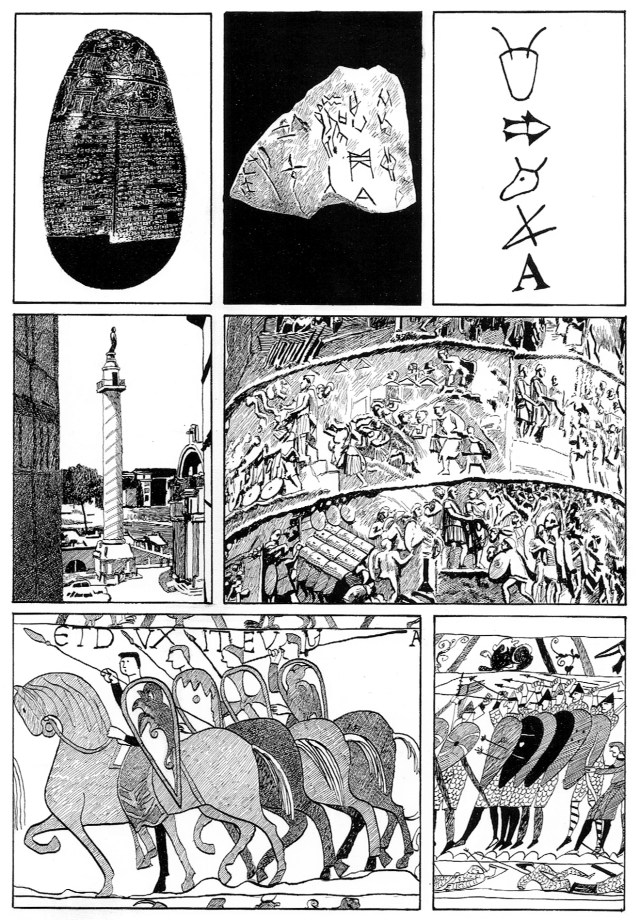
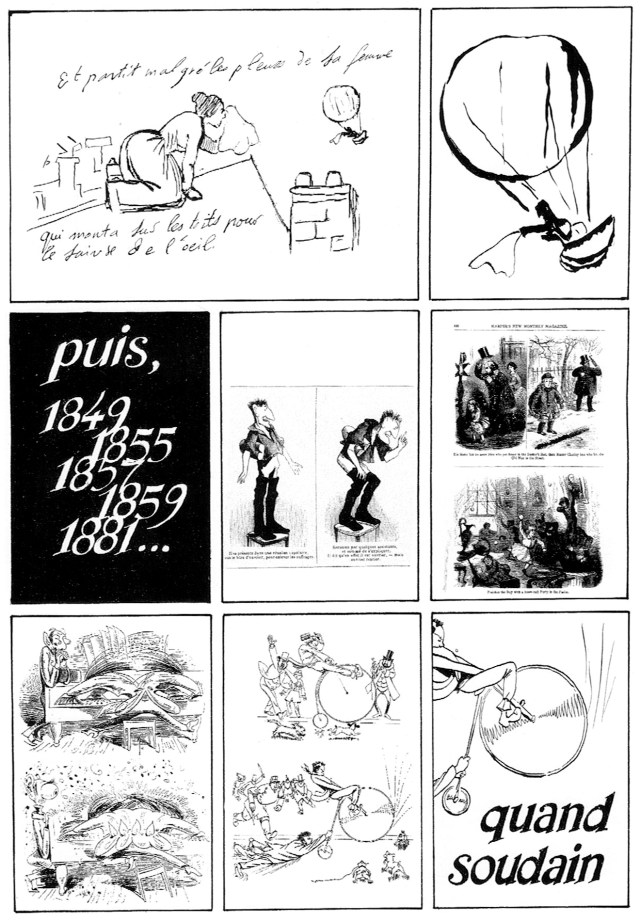
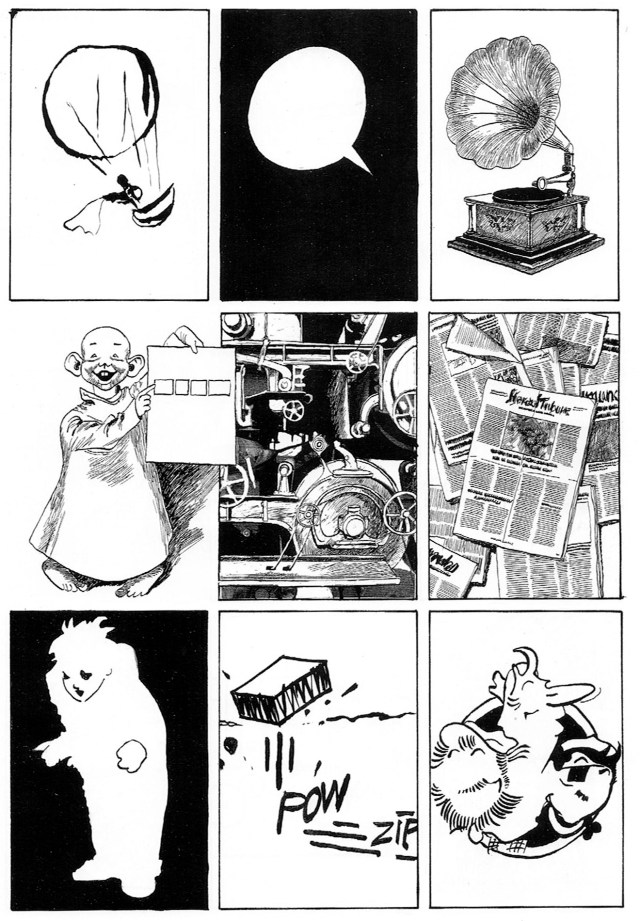
“In the Search for the Ninth Art” by Fabrice Neaud, FR, 2008


In the Search for the Ninth Art (“A la recherche du 9e Art”) by Fabrice Neaud (FR) in: Qu’est‐ce que la Bande Dessinée aujourd’hui (“What is Comics Art Today?”), Beaux Arts éditions, France, 2008.
Copyright ©2008 Fabrice Neaud/Beaux Arts/TTM éditions

001
PAGE 1/8
002
PAGE 2/8
003
PAGE 3/8. “Histoire de M. Jabot” by Rodolphe Töpffer (CH), 1830/1831.
004
PAGE 4/8. Up: “Histoire d’Albert” by Rodophe Töpffer (CH), 1845. Bottom “Impressions de voyages aériennes et maritimes de Mr. A.A.N. Trouillard épicier de la veille” by Cham (FR), unpublished and unfinished story, France, 1847-1848 but may be earlier than 1840.
005
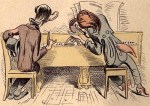
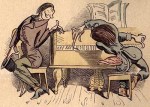
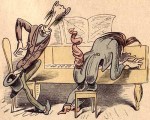
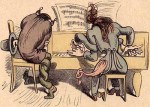
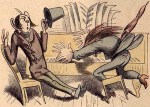
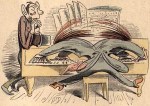
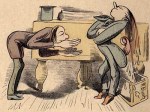
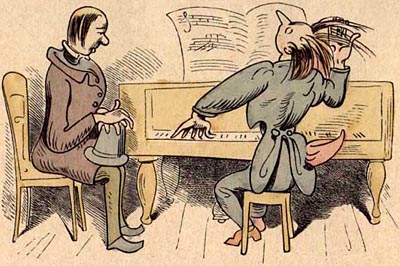
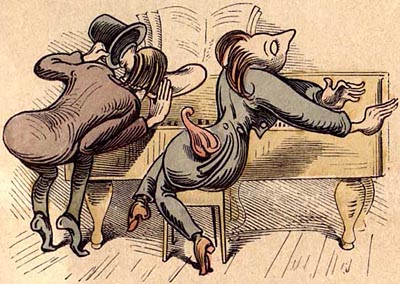
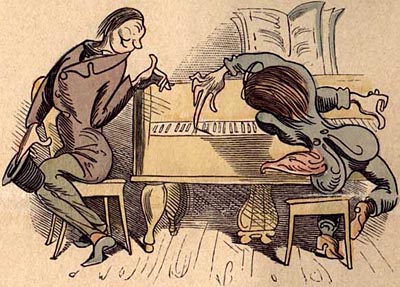
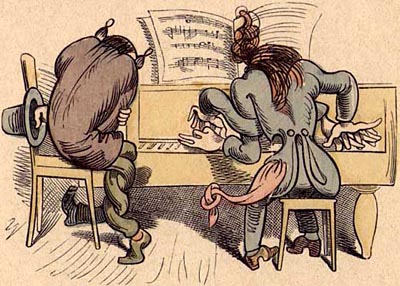
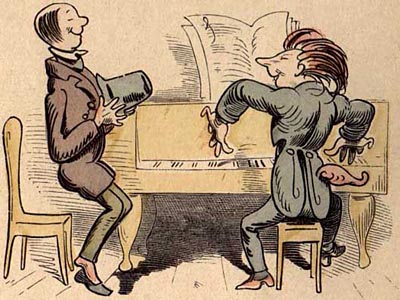
PAGE 5/8. “Puis”; then. “Quand soudain”; when all od sudden. Bottom left; “Der Virtuos” by Wilhelm Busch (DE), 1865.
006
PAGE 6/8
007
PAGE 7/8. “Ainsi”; thus.
008
PAGE 8/8: “Enfin”; finally.

BRAIDING: “The way panels (that is the images in the panels) can be linked in series (continuous or discontinuous) through non-narrative correspondences, be it iconic (repetition of certain symbols or elements) or other means. In a way this is a kind of rhyming for comics.” Derik Badman commenting the term introduced by Thierry Groensteen in: Système de la bande dessinée, Presses Universitaires de France, 1999.

GW01
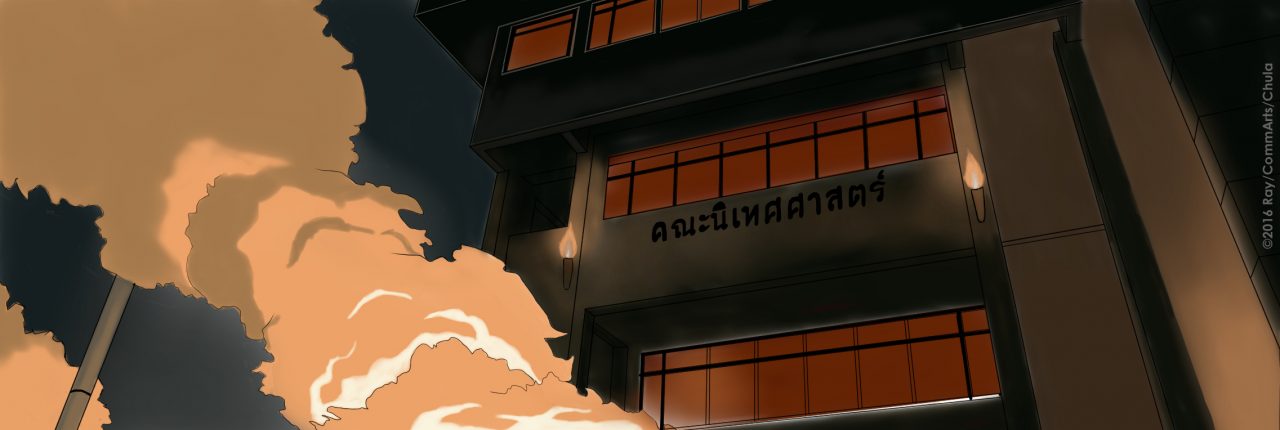
On “braiding”, from the first Graphic Writing lesson, CommArts, Chula

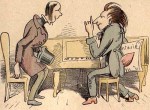
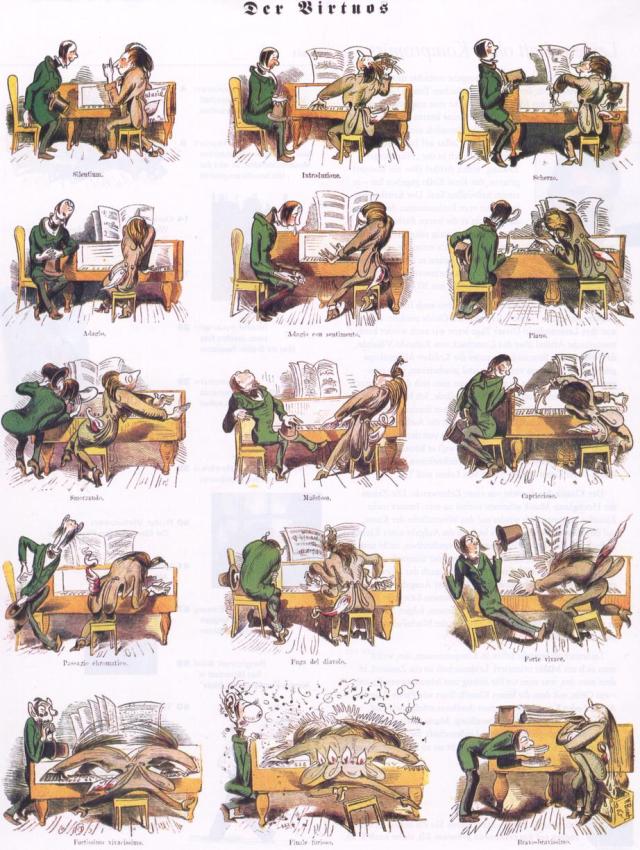
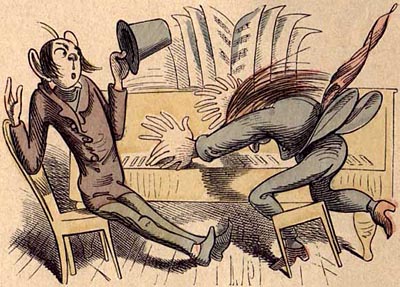
“The Virtuoso” by Wilhelm Busch, DE, 1865


The Virtuoso (“Der Virtuos“) by Wilhelm Busch (DE), Germany, 1865. Via Animation Resources.

Virtuos
Complete sequence
Virtuoso01 - Silentium
PANEL 1/15: Silentium
Virtuoso02 - Introduzione
PANEL 2/15: Introduzione
Virtuoso03 - Scherzo
PANEL 3/15: Scherzo
Virtuoso04 - Adagio
PANEL 4/15: Adagio
Virtuoso05 - Adagio con Sentimento
PANEL 5/15: Adagio con Sentimento
Virtuoso06 - Piano
PANEL 6/15: Piano
Virtuoso07 - Smorzando
PANEL 7/15: Smorzando
Virtuoso08 - Smorzando
PANEL 8/15: Maëstoso
Virtuoso09 - Capriccioso
PANEL 9/15: Capriccioso
Virtuoso10 - Passagio Chromatico
PANEL 10/15: Passagio Cromatico
Virtuoso11 - Fuga des Diavolo
PANEL 11/15: Fuga del Diavolo
Virtuoso12 - Forte Vivace
PANEL 12/15: Forte Vivace
Virtuoso13 - Fortissimo Vivacissimo
PANEL 13/15: Fortissimo Vivacissimo
Virtuoso14 - Finale Furioso
PANEL 14/15: Finale Furioso
Virtuoso15 - Bravo Bravissimo
PANEL 15/15: Bravo Bravissiomo!

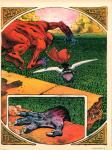
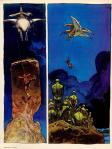
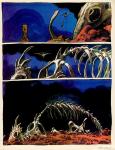
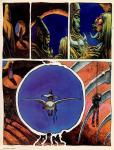
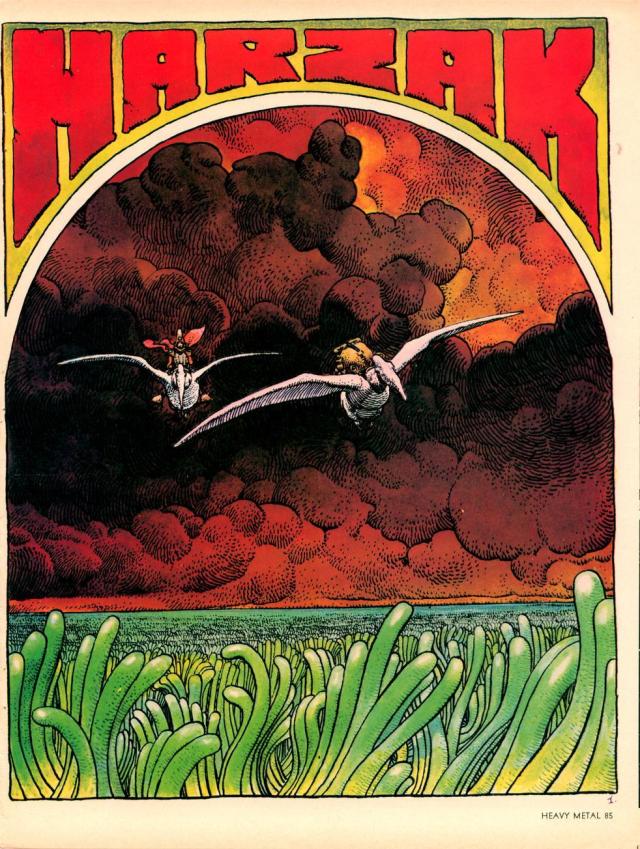
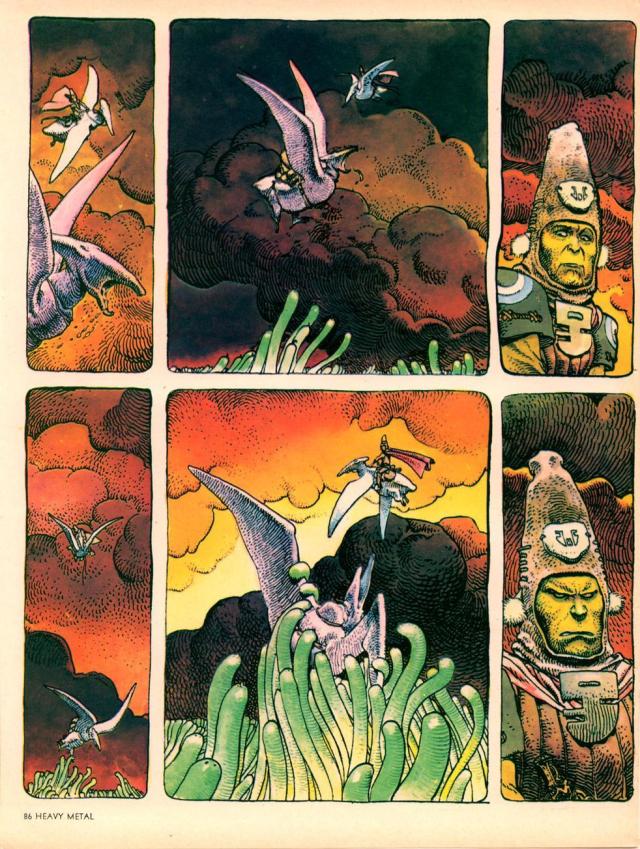
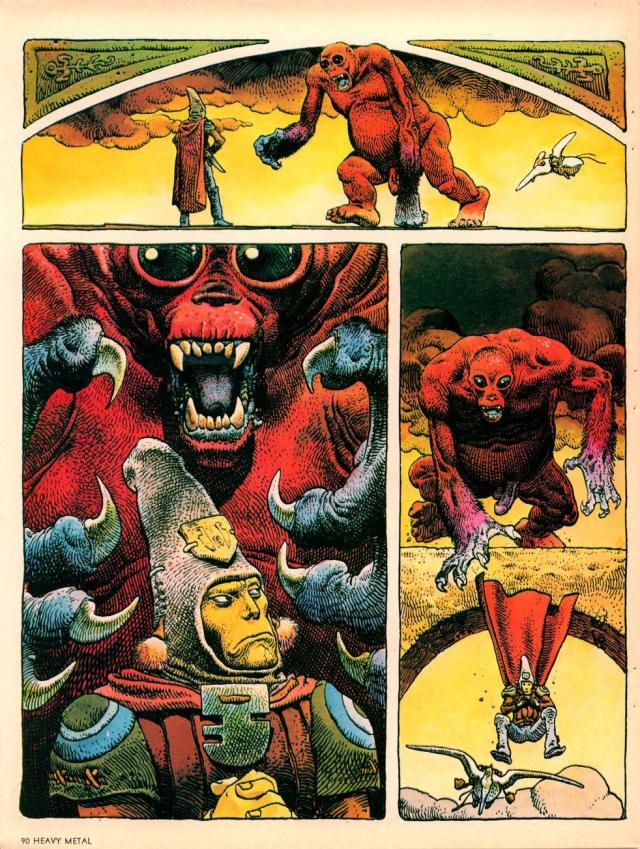
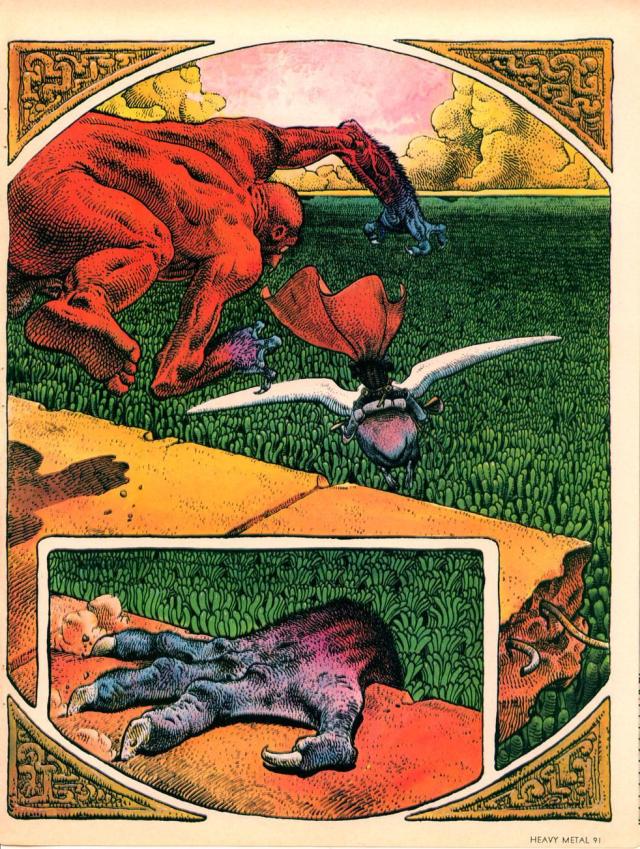
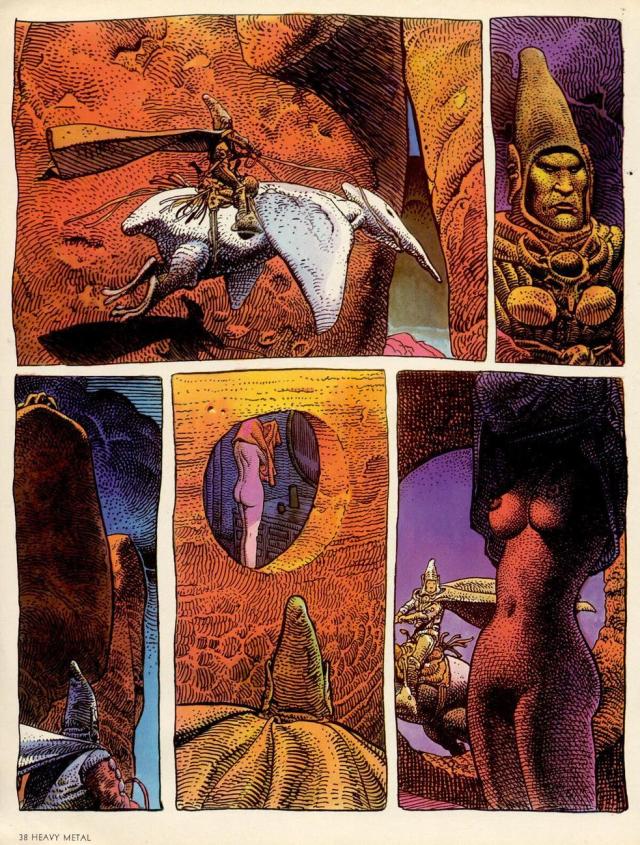
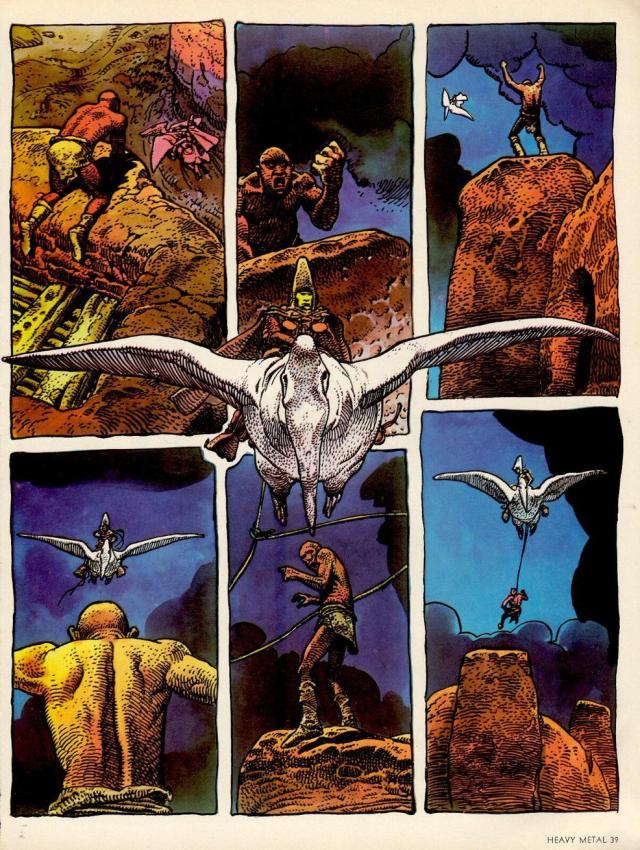
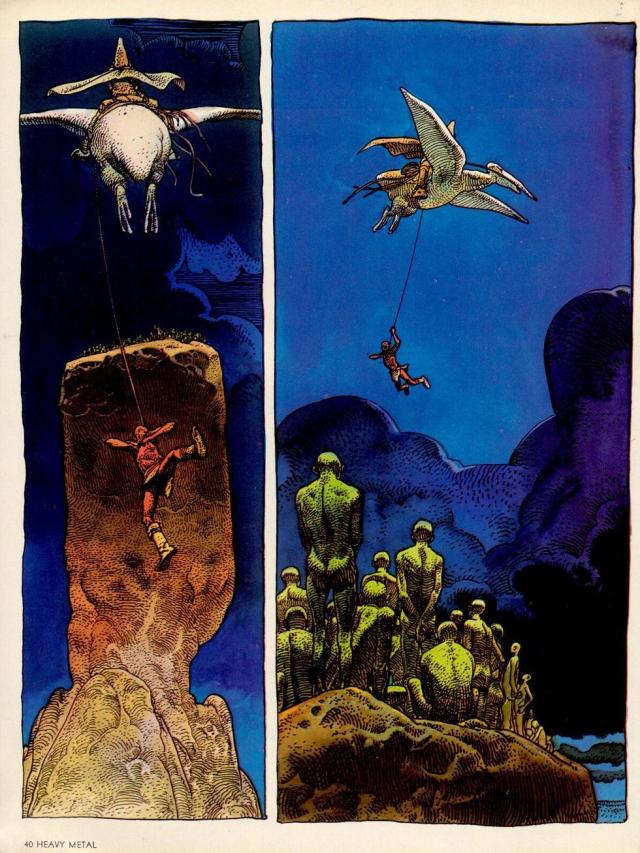
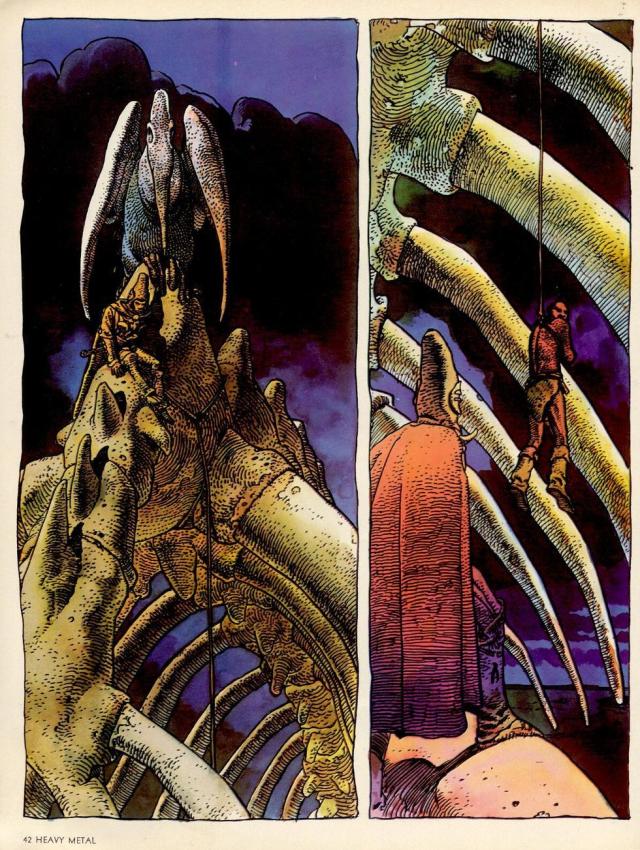
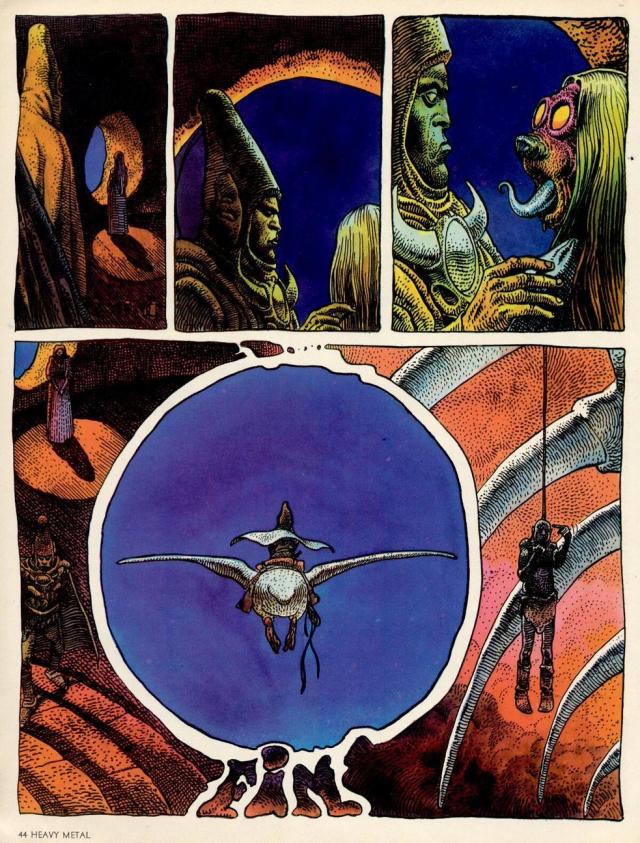
“Arzach” (2 stories) by Moebius, FR, 1975-1976


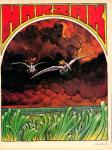
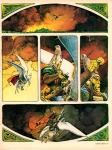
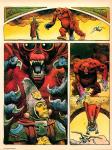
Arzach / Harzak (two short stories) by Moebius (Jean Giraud, FR) in: Métal Hurlant magazine, France, 1975-1976. Via Pasa La Vida.

Copyright ©1975 Les Humanoïdes Associés

Ar01
PAGE 1/8 (story 1)
ar02
PAGE 2/8 (story 1)
ar03
PAGE 3/8 (story 1)
ar04
PAGE 4/8 (story 1)
ar05
PAGE 5/8 (story 1)
ar06
PAGE 6/8 (story 1)
ar07
PAGE 7/8 (story 1)
ar08
PAGE 8/8 (story 1)
ar09
PAGE 1/8 (story 2)
ar10
PAGE 2/8 (story 2)
ar11
PAGE 3/8 (story 2)
ar12
PAGE 4/8 (story 2)
ar13
PAGE 5/8 (story 2)
ar14
PAGE 6/8 (story 2)
ar15
PAGE 7/8 (story 2)
ar16
PAGE 8/8 (story 2)

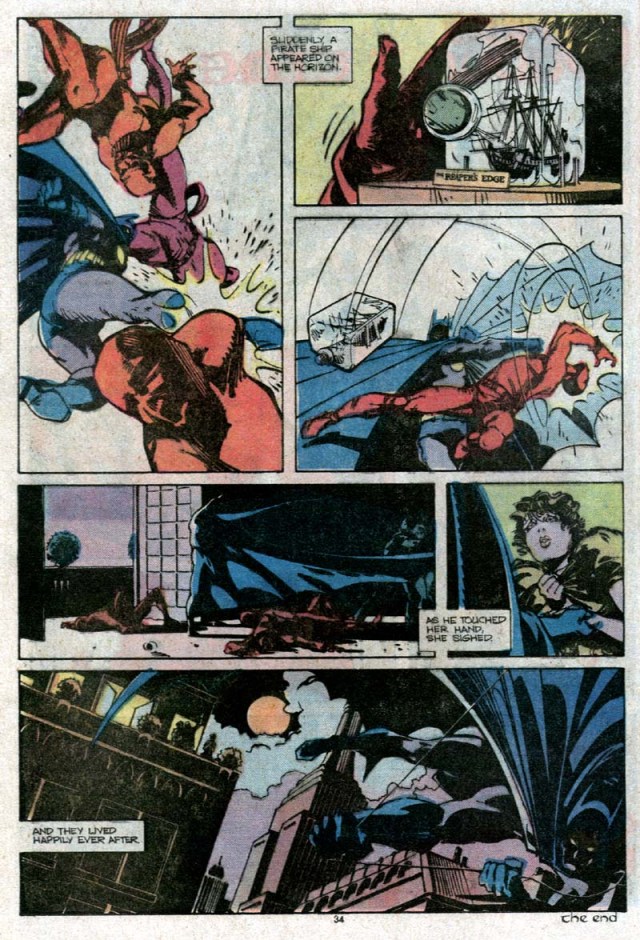
“Batman: Once Upon a Time…” by Len Wein & Walter Simonson, USA, 1981


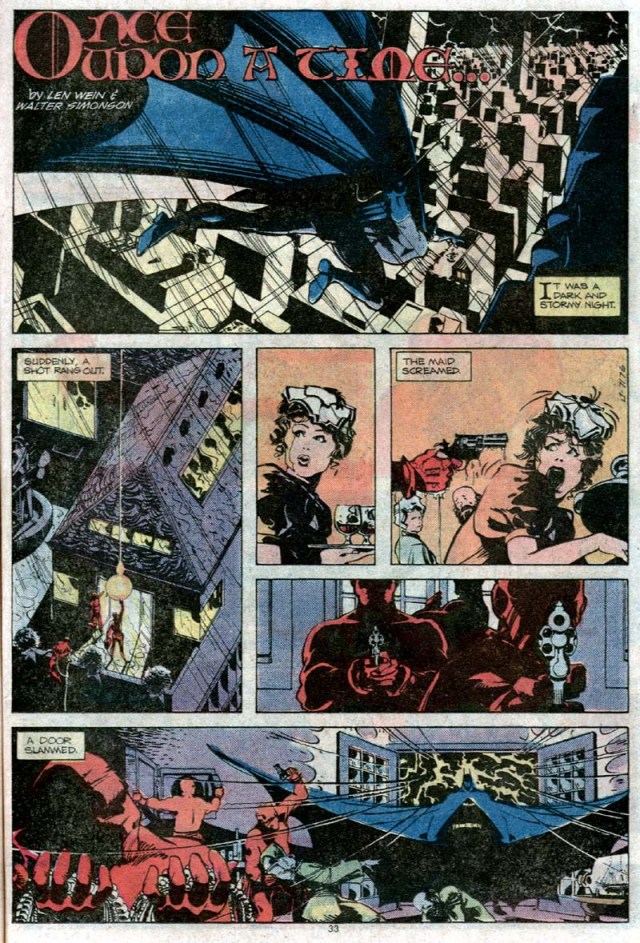
Batman: Once Upon a Time…, tribute to Charles M. SchulzPeanuts (adaptation of Snoopy’s novel), by Len Wein (USA) & Walter Simonson (USA) in: Detective Comics Vol. 1 #500, DC Comics, USA, March 1981.

Between “August and September of 1969, Charles M. Schulz devoted a few weeks’ worth of strips to Snoopy’s novel.” In 1981, Len Wein wrote a Batman “two-pager with art by the great Walt Simonson. The story has no dialogue. It only has captions. The captions? All lines from the aforementioned Snoopy novel!!” Brian Cronin, Comic Book Resources, 2010.
Peanuts strips: Copyright ©1969 United Feature Syndicate/Charles M. Schulz

Batman story: Copyright ©1981 DC Comics

darkstormy0
Peanuts strips by Charles M. Schulz (1969)
detective-500-33
PAGE 1/2
detective-500-34
PAGE 2/2

“Big Tex” by Chris Ware, USA, 1996

Big Tex (one-pager) by Chris Ware (USA) in: Acme Novelty Library Vol VII, #7, Book of Jokes, Fantagraphics Books, Summer 1996.

Copyright ©1996 Chris Ware/Fantagraphics Books

“Like how does something happen, and … how does it reverberate through time? And that act of memory is important, and comics are great for memory. Like even when you have a short comic, like a three-panel comic, you’ve got a past, a present and a future as soon as you look at those three boxes. And that allows you to reflect and compare times.” Art Spiegelman, NPR interview, 2011

Big-Tex
PAGE 1/1

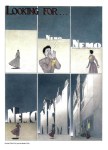
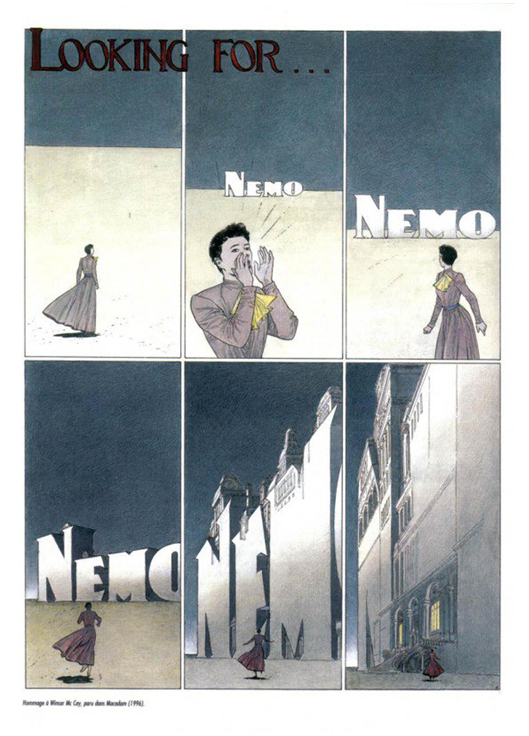
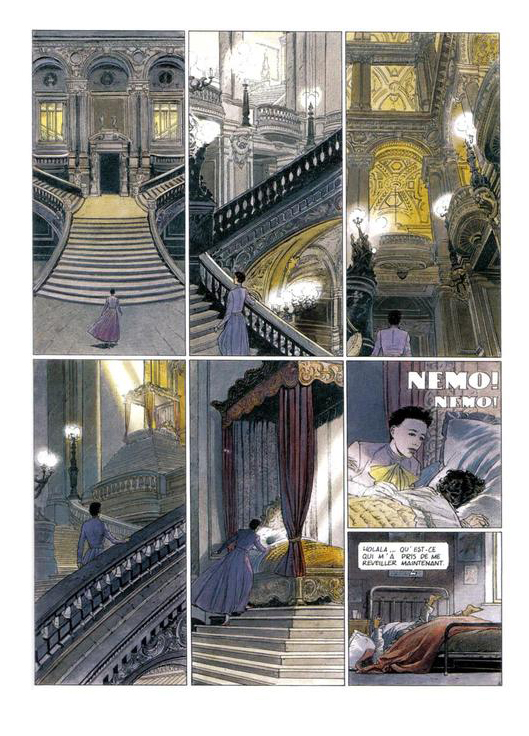
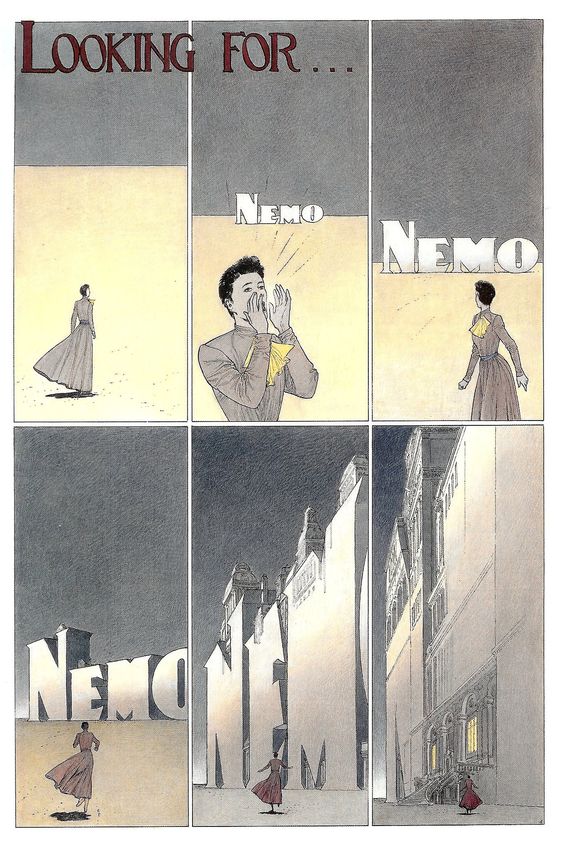
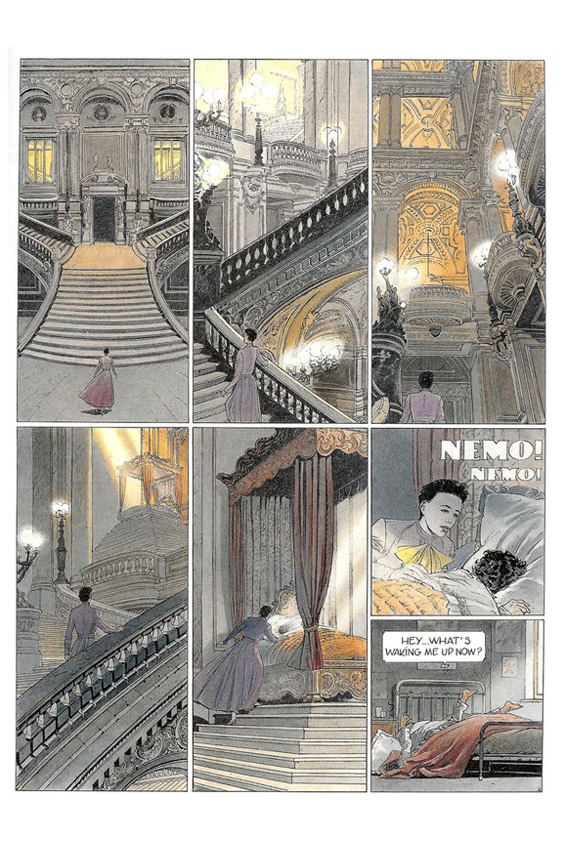
“Looking for Nemo” by Benoît Peeters & François Schuiten, JP/BE/FR, 1991


Looking for Nemo, tribute to Winsor McCay (and Little Nemo), script by Benoît Peeters (FR) and art by François Schuiten (BE) in: Morning magazine, Japan, 1991. English edition followed by French publication, 1996 (for colour quality’s sake).

Copyright ©1991 Benoît Peeters/François Schuiten

“Architecture is the simplest means of articulating time and space, of modulating reality, of engendering dreams.” Ivan Chtcheglov, Formulary for a New Urbanism, 1953.

Nemo 1
PAGE 1/2 (English version)
Nemo 2
PAGE 2/2 (English version)
Hommage Nemo 1996
PAGE 1/2 (French version)
Hommage Nemo 1991
PAGE 2/2 (French version)

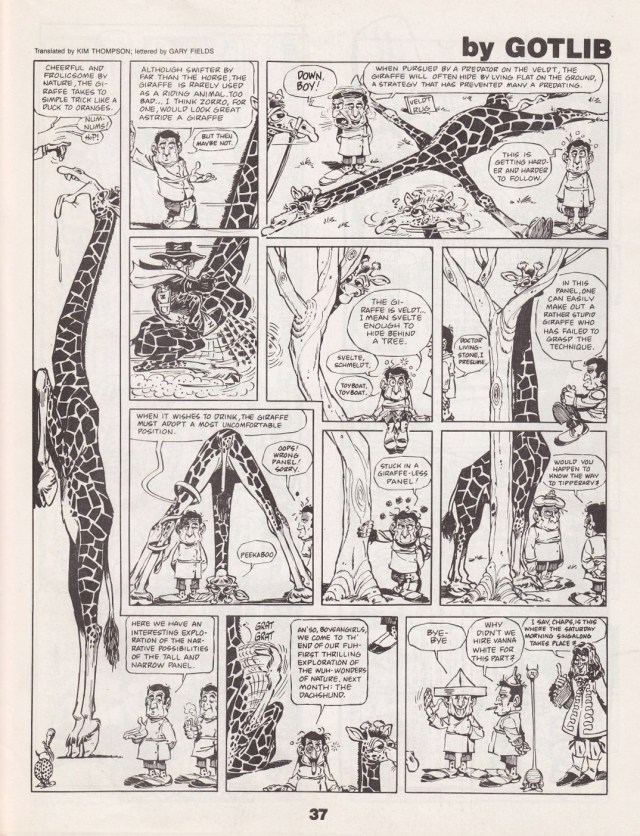
“The Giraffe” by Gotlib, FR, 1971 (?)


The Giraffe by Gotlib (FR), originally published in: Pilote magazine, France (year ?). Re-published in Rubrique-à-Brac Vol.2, Dargaud, France, 1971. English translation by Kim Thompson for Honk! #4, Fantagraphics Books, USA, 1986.

©1971 Dargaud/Marcel Gotlib

Gotlib's Giraffe 1
PAGE 1/2
Gotlib's Giraffe 2
PAGE 2/2

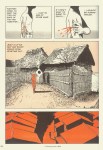
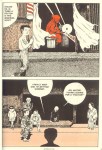
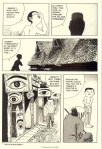
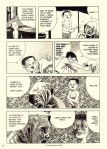
“Screw Style” by Yoshiharu Tsuge, JP, 1968


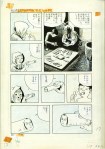
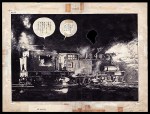
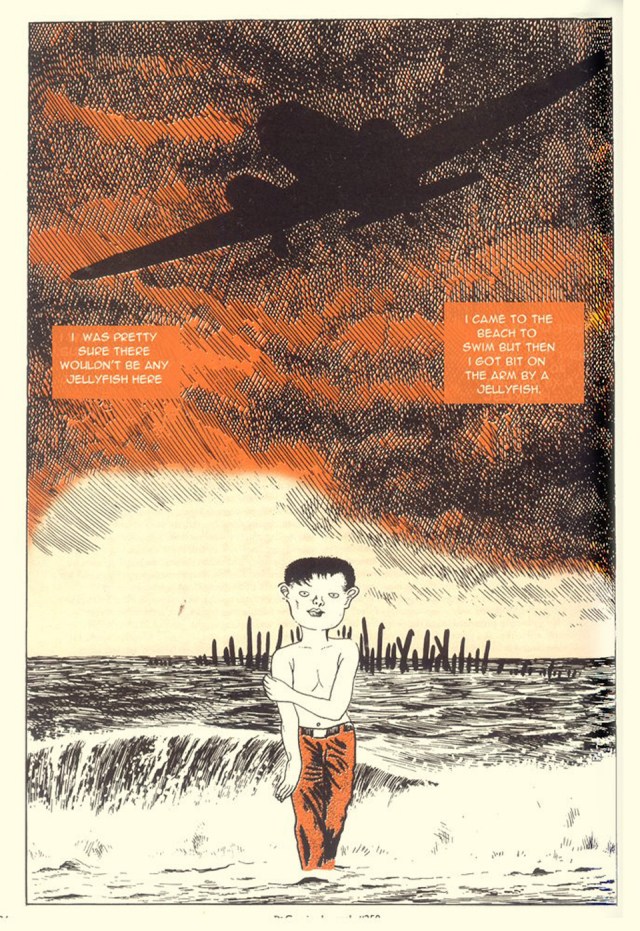
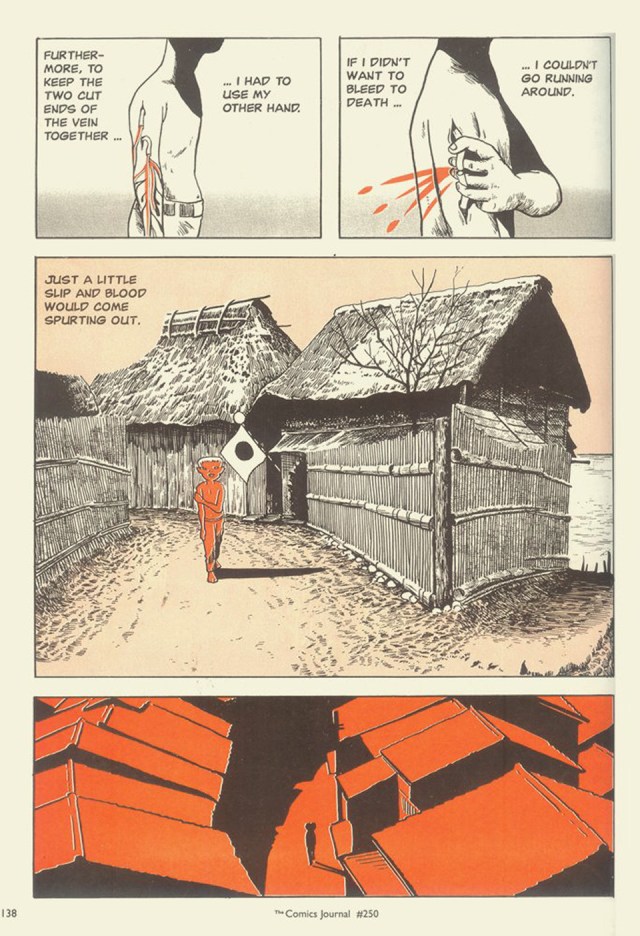
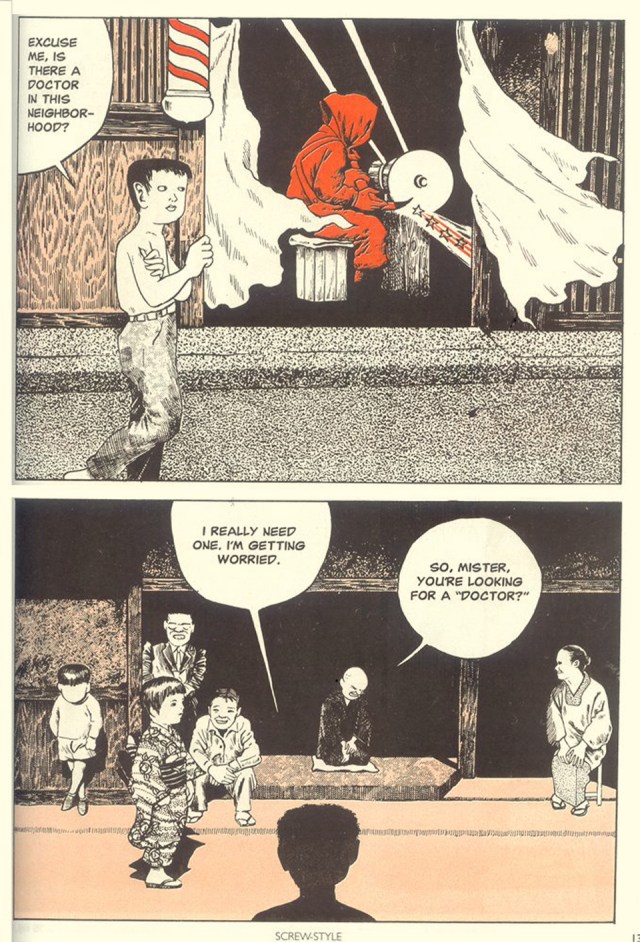
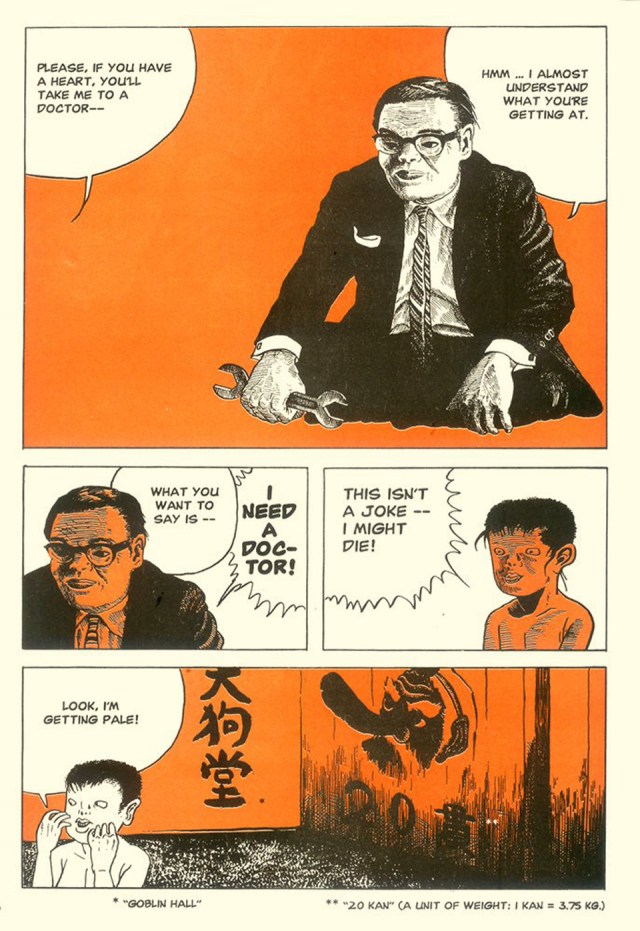
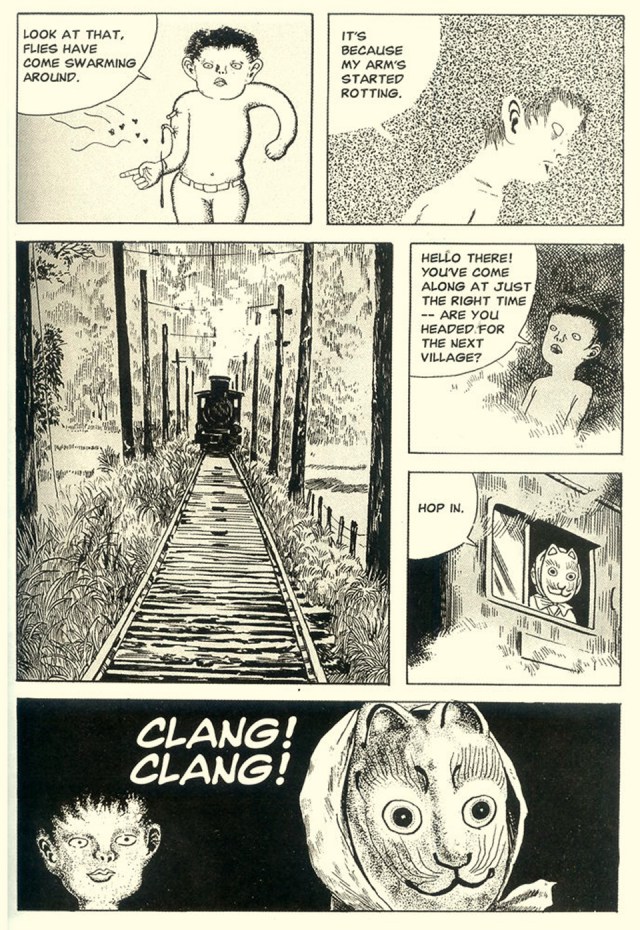
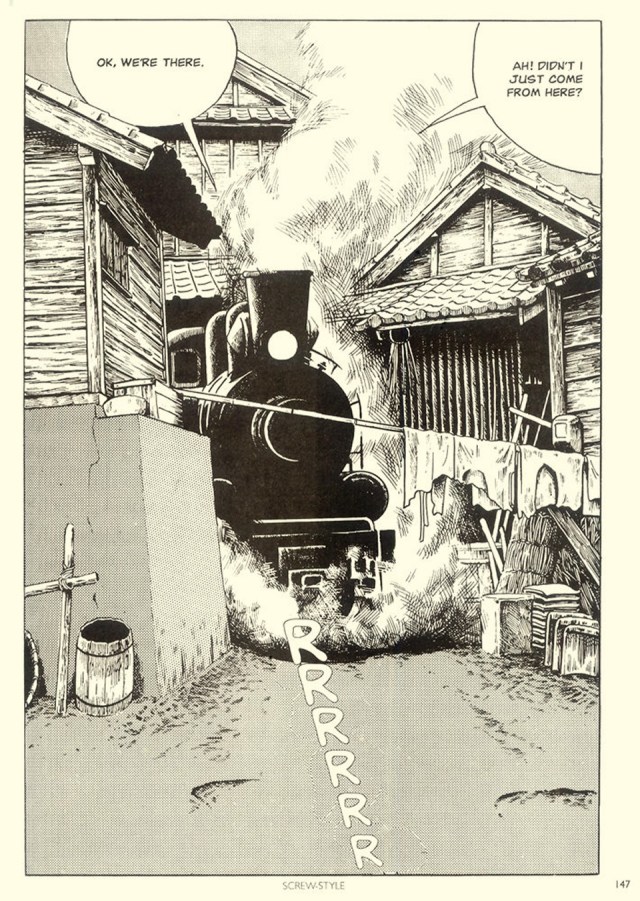
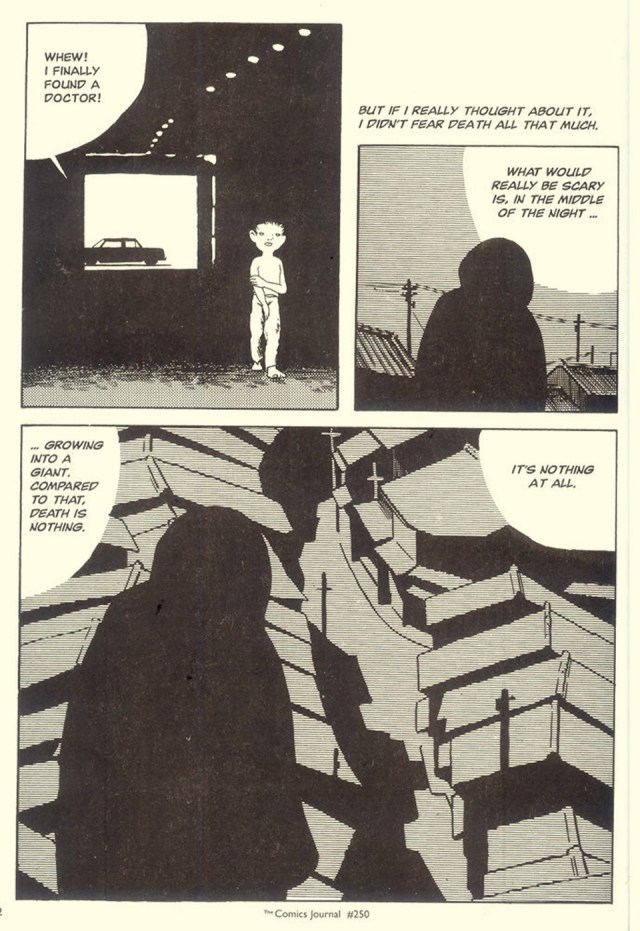
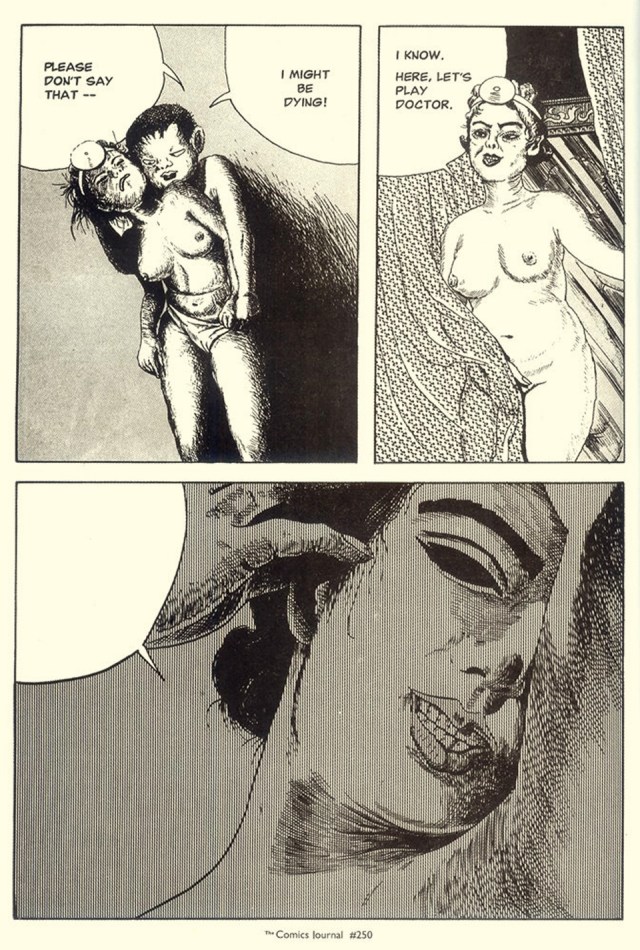
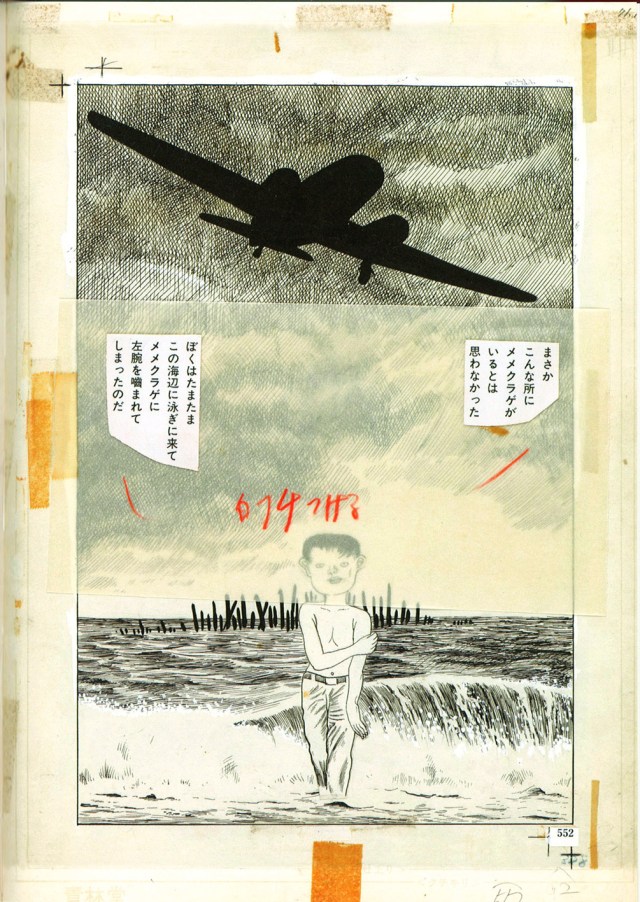
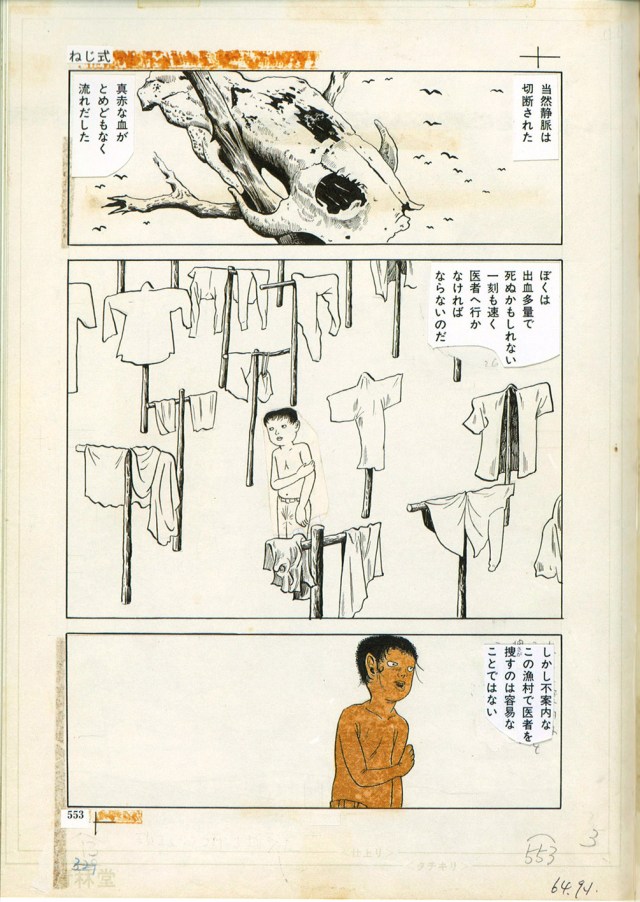
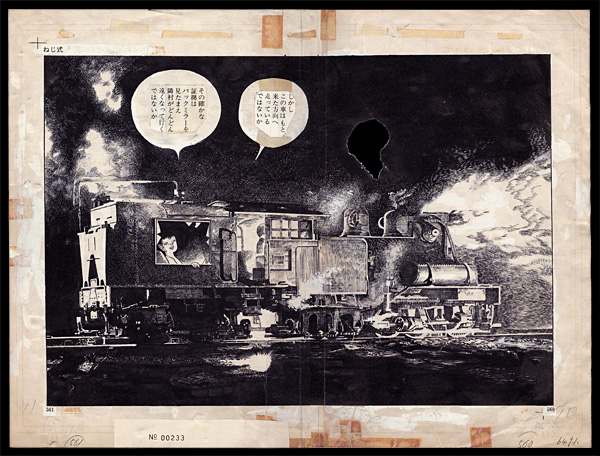
Screw Style (ねじ式, “Neji-shiki”) by Yoshiharu Tsuge (JP), originally published in: Garo magazine #47, Japan, June 1968. Scans from The Comics Journal #250 (February 2003). Translation by Bill Randall. Via SAP Comics. With some original artwork (below).

Contains scenes of a sexual nature. Viewer discretion advised.
Copyright ©1968 Yoshiharu Tsuge
stsuge01
PAGE 1/21
stsuge02
PAGE 2/21
stsuge03
PAGE 3/21
stsuge04
PAGE 4/21
stsuge05
PAGE 5/21
stsuge06
PAGE 6/21
stsuge08
PAGE 7/21
stsuge09
PAGES 8 & 9/21
stsuge10
PAGE 10/21
stsuge11
PAGE 11/21
stsuge12
PAGE 12/21
stsuge13
PAGE 13/21
stsuge14
PAGE 14/21
stsuge15
PAGE 15/21
stsuge16
PAGE 16/21
stsuge17
PAGE 17/21
stsuge18
PAGE 18/21
stsuge19
PAGE 19/21
stsuge20
PAGE 20/21
stsuge21 (1)
PAGE 21/21
Tsuge - Neji-Shiki - 1968
PAGE 1 (original artwork)
Tsuge - Neji-Shiki - 1968 2
PAGE 2 (original artwork)
Tsuge - Neji-Shiki - 1968 3
PAGE 14 (original artwork)
Tsuge - Neji-Shiki - 1968 4
PAGE 15 (orignal artwork)
Tsuge - Neji-Shiki - 1968 x
PAGES 8 & 9 (original artwork)