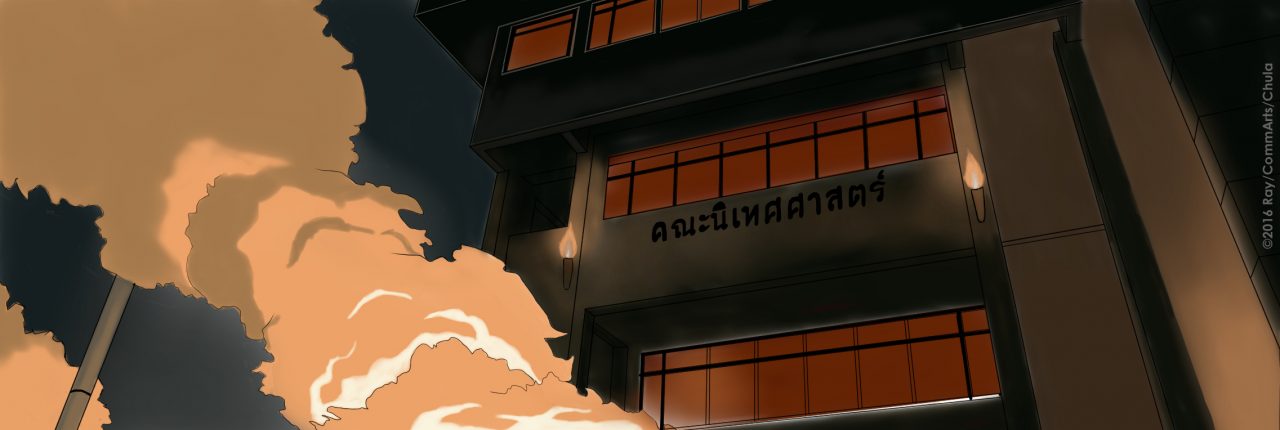
FROM DUSK TILL DRAWN: Comics Art Studies and Graphic Narratives Composition, Workshops, Events & Zine Publishing @ Faculty of Communication Arts, Chulalongkorn University [Bangkok – THAILAND]
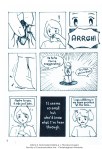
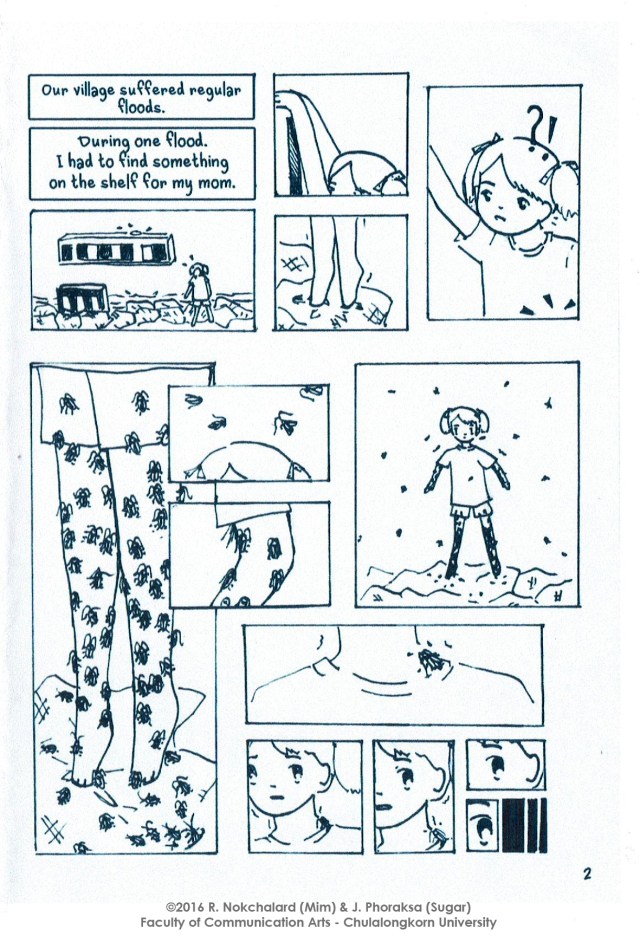
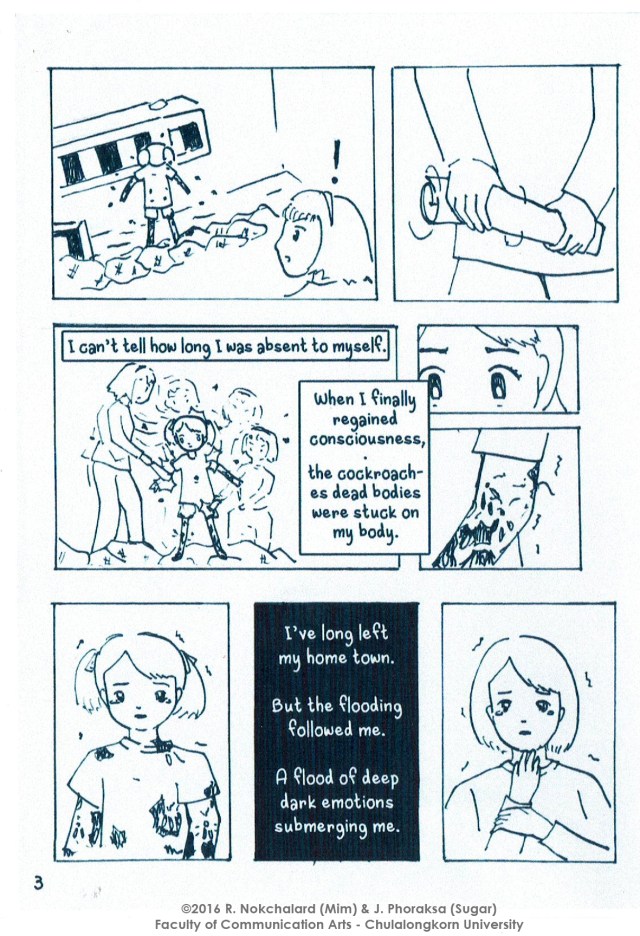
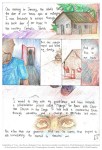
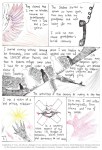
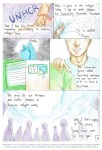
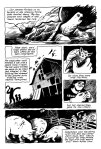
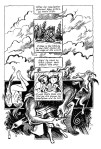
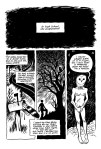
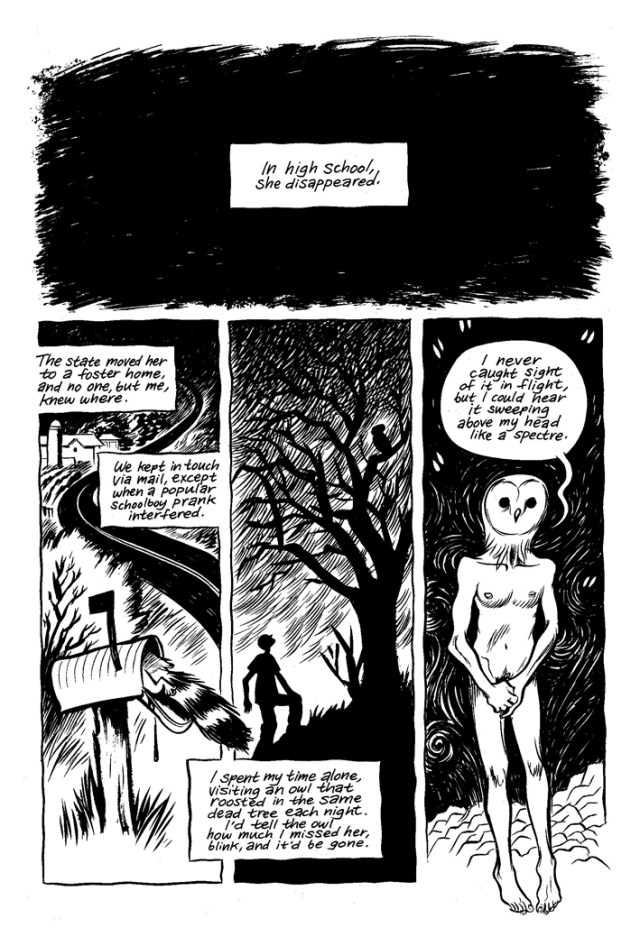
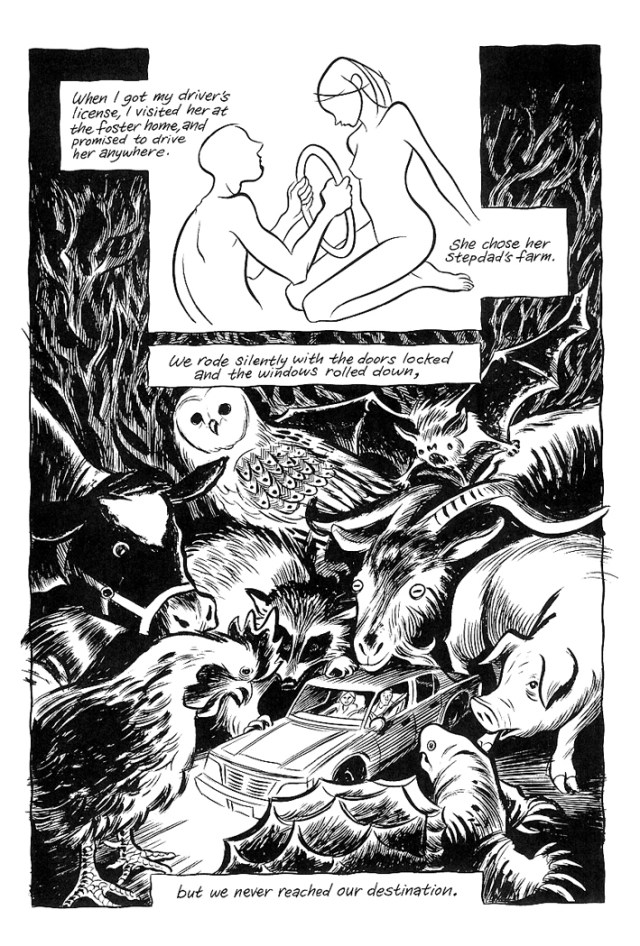
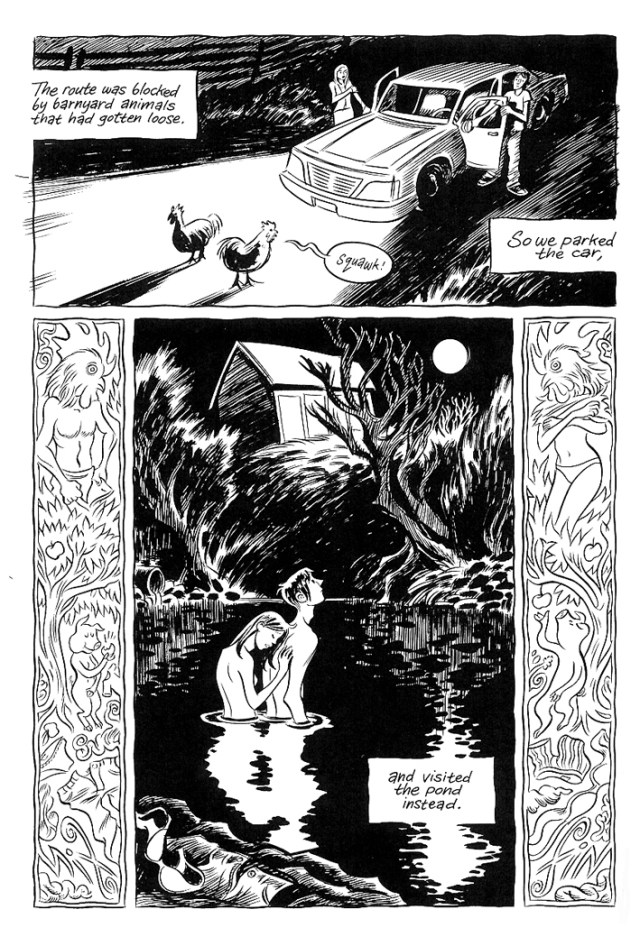
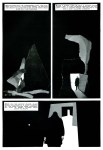
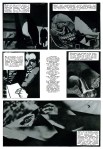
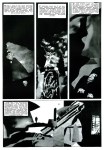
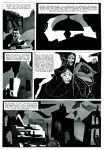
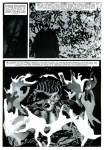
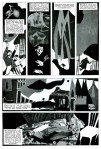
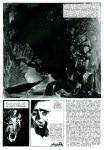
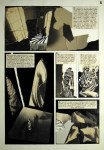
“The Wave” is a graphic narrative (on the themes of psychological fright, phobia and school bullying) by Thai students Jinwara (Sugar) and Rattanakorn (Mim) for the IMGT COMM course (2800217), November 2016.
Description of the Imaginative Communication course: “Methods of conversing emotions, feelings, ideas, values, beliefs and meaning of life through the languages of the imaginative world in the form of poetry, music and songs, literature, drama, film or other creative works of Thai and foreign artists; relationship between science and art of communications; media design for imaginative works; analysis of images and narratives.” Thissemester’s theme: “Psychic Trauma; To Say the Unutterable”. Communication Management, International Program, Faculty of Communication Arts, Chulalongkorn University.
A clever use of potentialities and features of the comics form (layout, composition, design, text/image relationship, iconic solidarity, iconic iteration…) to serve the content.
Page 1/4Page 2/4Page 3/4Page 4/4
Reproduced with the authors’ permission. All rights remain to the authors.
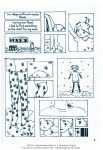
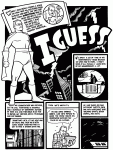
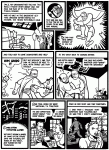
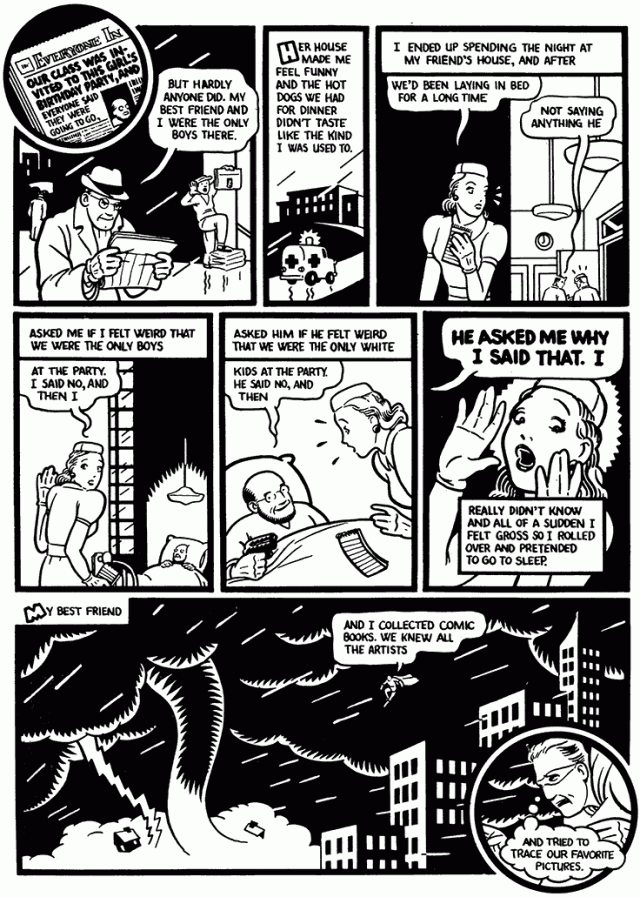
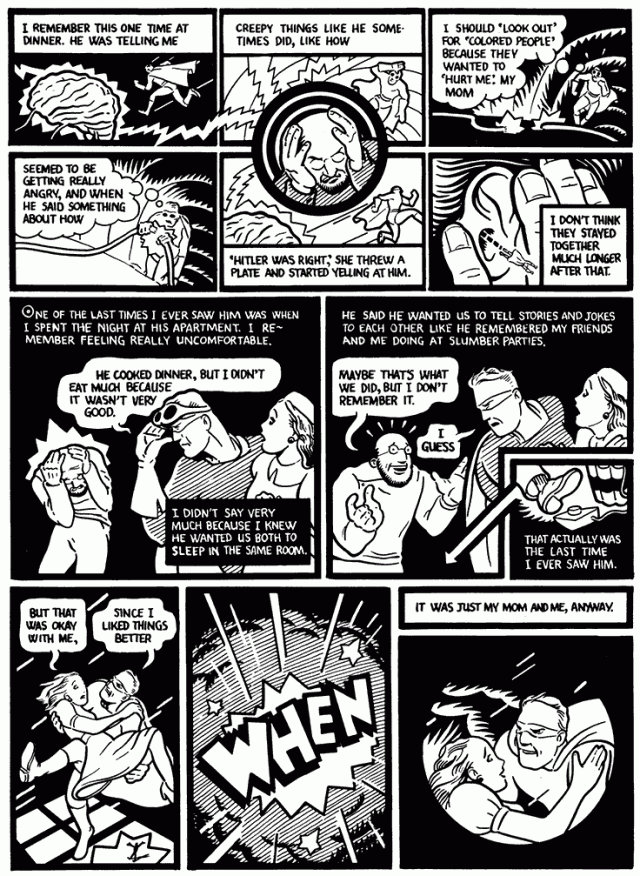
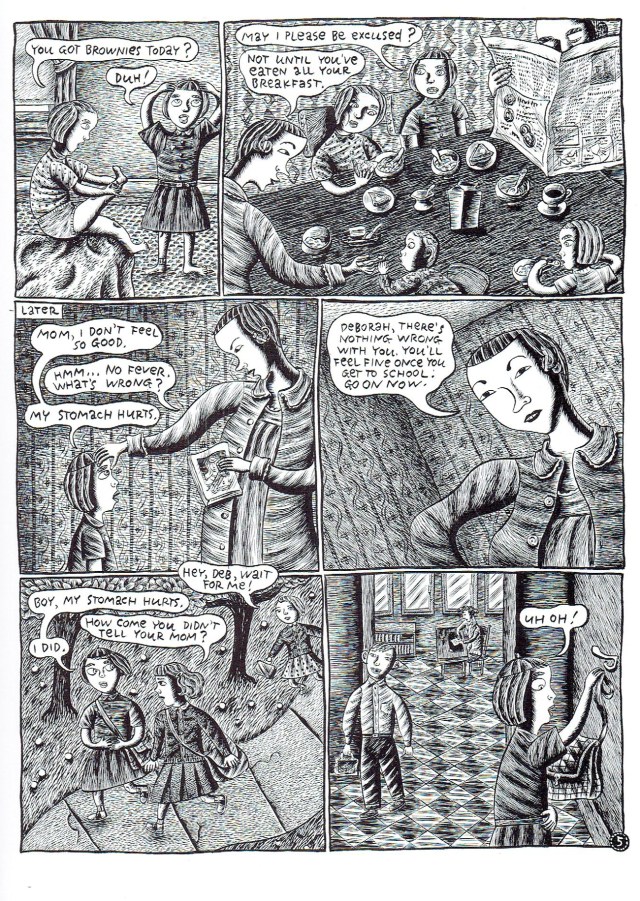
I Guess (a.k.a. “Thrilling Adventure Stories”) by Chris Ware (USA) in: RAW Vol 2, #3, High Culture for Lowbrows, Penguin Books, 1991. Via Glad You Asked.
If words can be drawn, and images written, then the tension between words and images can become quite complex. For example, in “I Guess” (Raw 2:3, 1991, reprinted in Ware, Quimby), alternative cartoonist Chris Ware experiments with a radically disjunctive form of verbal/visual interplay: a six-page story that sustains parallel verbal and pictorial narratives throughout, never quite reconciling one to the other […]. Admittedly, “I Guess” represents a radical questioning of the way comics work […]. Dismantling genre as well as form, Ware’s experiment demonstrates the potential of comics to create challenging, multilayered texts: his simple broadly representational drawings contribute to, rather than mitigate, the suggestive complexity of the narrative, while the blank naive narrational voice both amplifies and undercuts the appeal of the drawings. (Charles Hatfield, “Alternative Comics: An Emerging Literature”, The University Press of Mississippi, 2005)
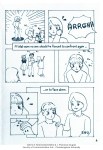
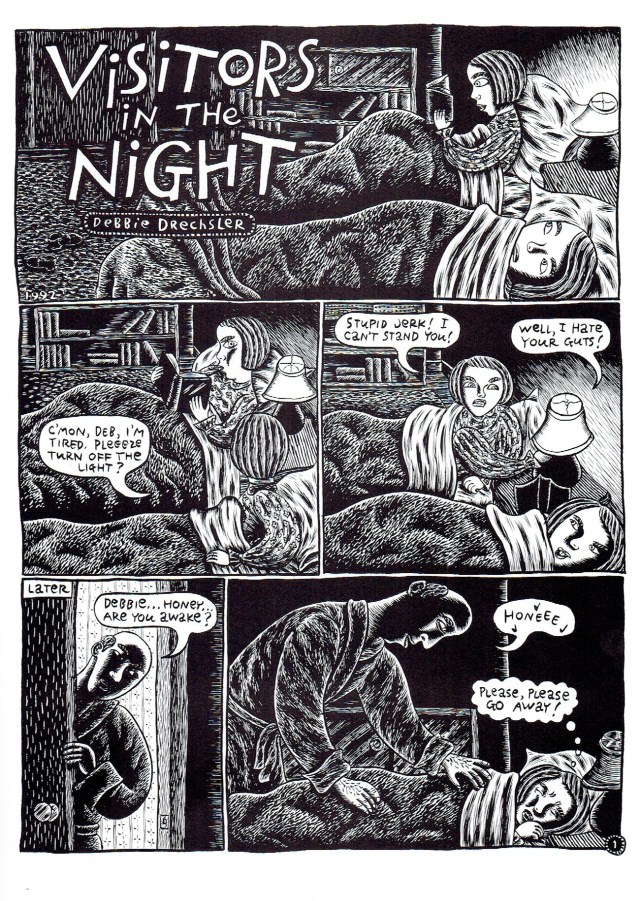
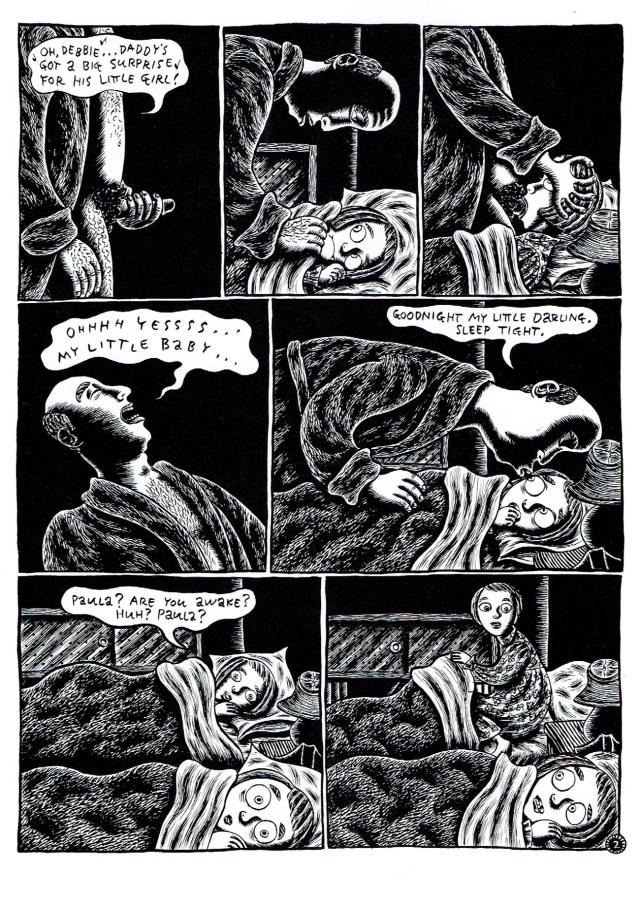
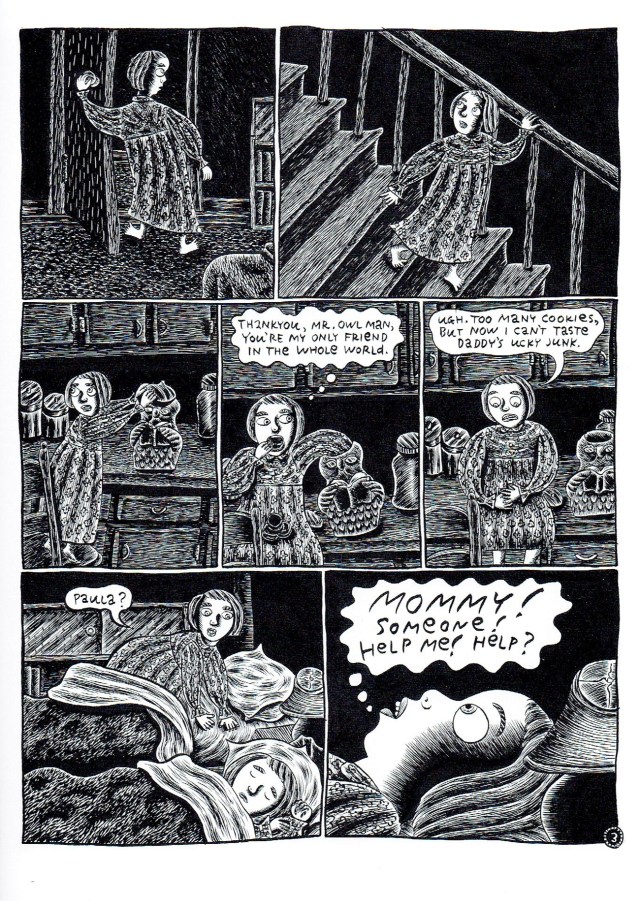
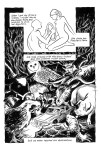
Daddy’s Girl: Visitors in the Night (first version) by Debbie Drechsler (USA), in: Drawn & Quarterly (Anthology) Vol.1, #10, Drawn & Quarterly, CAN, 1992. The author’s first name “Debbie” was changed into “Lily” in the Daddy’s Girlcollection (Fantagraphics Books, USA). More on the topic in our interview with Debbie Drechsler.
“Visitors in the Night” – or “Daddy’s Girl” as the book was eventually called – is a masterpiece of horror. And it’s all the more horrifying because it is true, and because the actions depicted, the innocence-killing, soul-destroying actions, are happening right now, everyday, all around the world. (Richard Sala, in XeroXed #4, July 2004)
Contains scenes of a sexual nature. Viewer discretion advised.
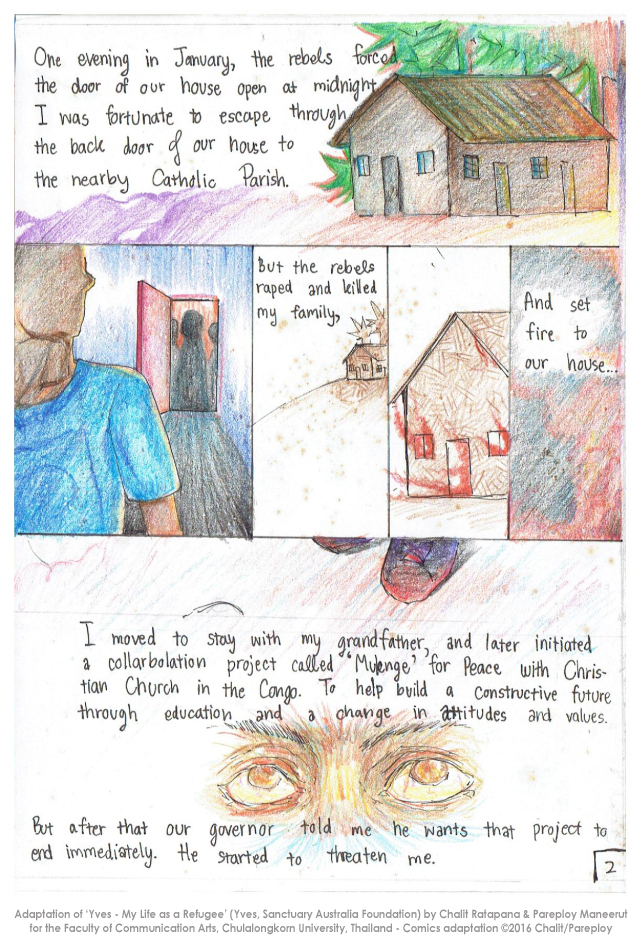
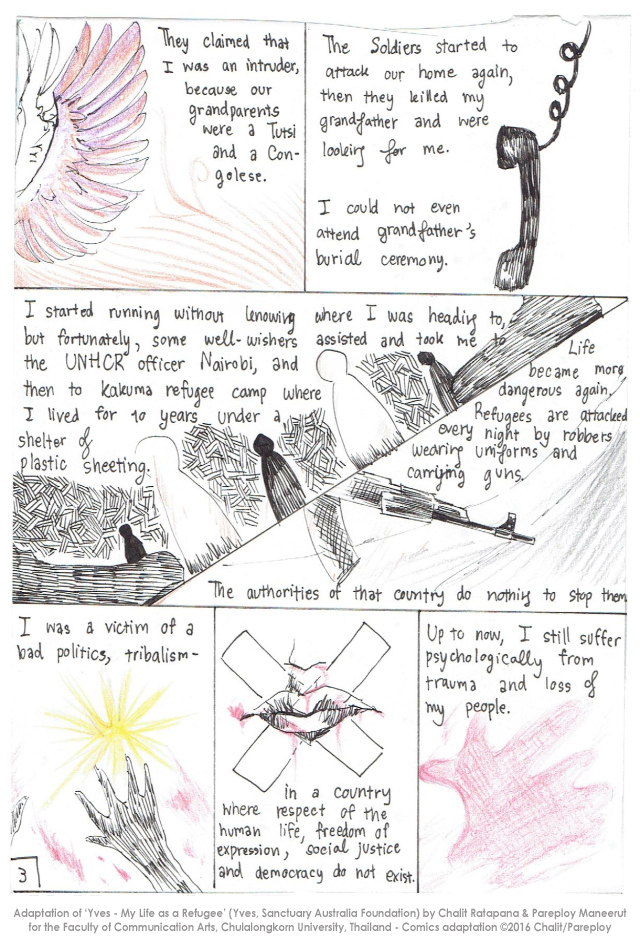
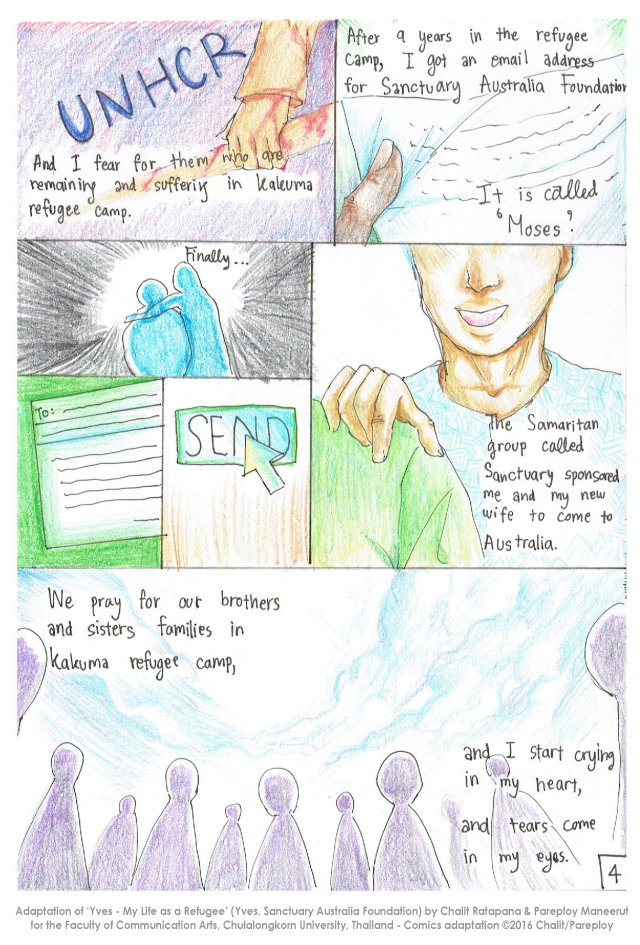
Update:The Sanctuary Australia Foundation, which offered a safe haven to Yves, has decided to publish the 4-page comics alongside Yves’ original testimony. I guess the Foundation saw -as I did- how Chalit and June were able to capture and to express -skillfully, with power and sensitivity- the plight of an individual and how, at the same time, they grasped and shared the tragic fate experienced by too many. Crossing the borders of the Democratic Republic of Congo, Australia, Belgium and Thailand, crossing comics panel borders, so many boundaries were physically and symbolically overcome… I’m proud of you Chalit & June and I hope your graphic narrative will participate in “engaging audiences in conflicts and displacement crises that seem remote (…), especially when there appear to be no means of relating to the people in the stories” (to quote PositiveNegatives founder Benjamin Dix, see Comic as Art, Education and Advocacy). Thank you Chalit, June and Mark Hallam (from the Sanctuary Australia Foundation). And thank you, Yves, for your painful yet indispensable testimony. Best regards. Nicolas V.
Screenshot of the Sanctuary Australia Foundation webpage with Chalit & June’s graphic narrative alongside Yves’s original testimony.
Description of the Imaginative Communication course: “Methods of conversing emotions, feelings, ideas, values, beliefs and meaning of life through the languages of the imaginative world in the form of poetry, music and songs, literature, drama, film or other creative works of Thai and foreign artists; relationship between science and art of communications; media design for imaginative works; analysis of images and narratives.” This year’s theme: “Crossing Borders”.Communication Management, International Program, Faculty of Communication Arts, Chulalongkorn University.
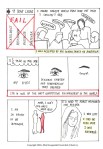
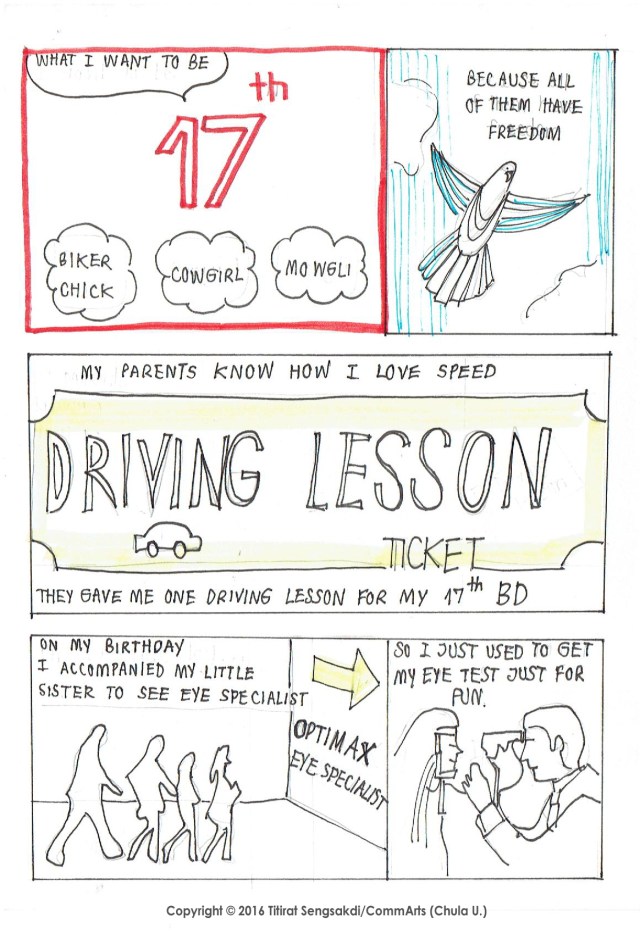
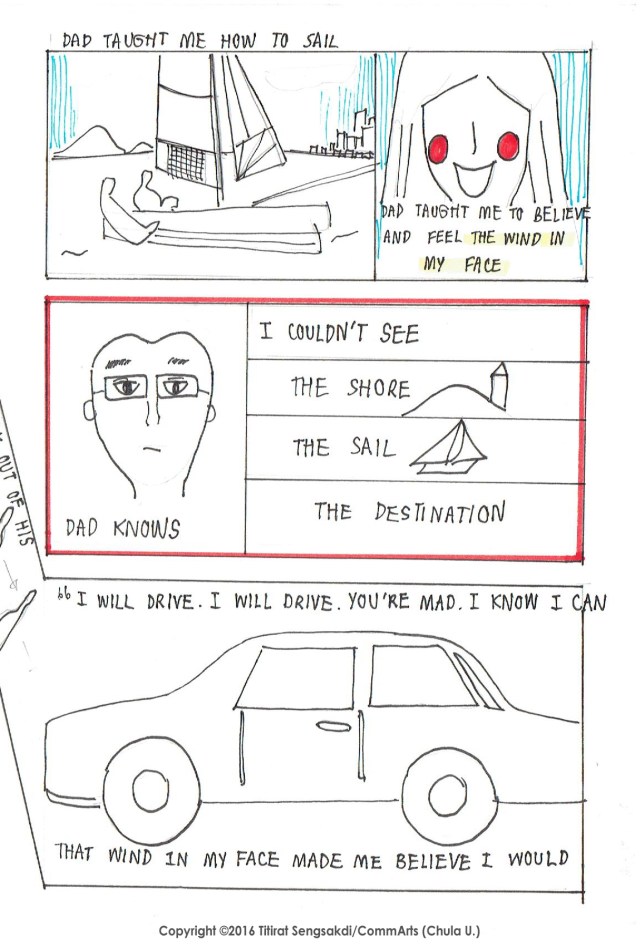
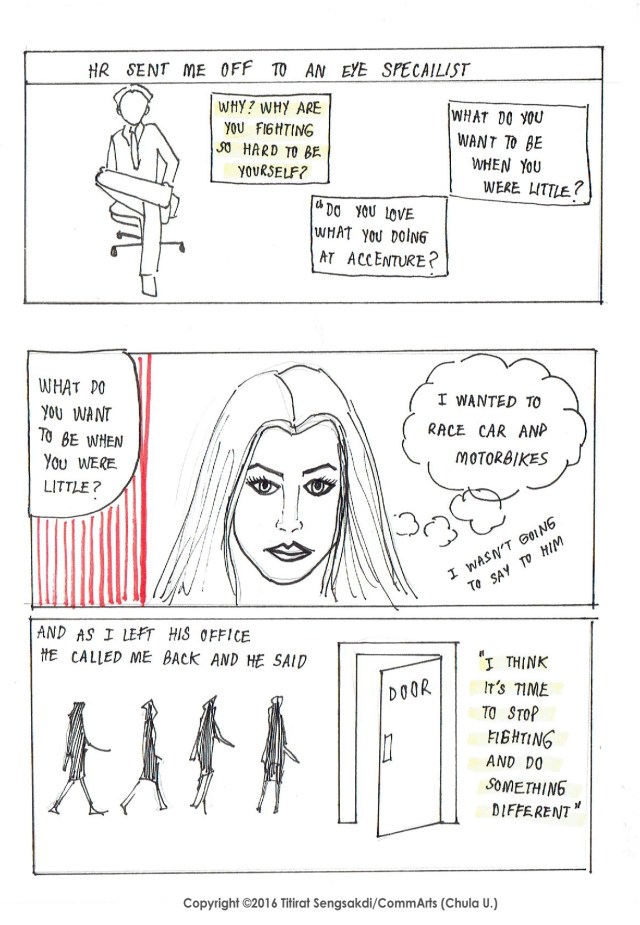
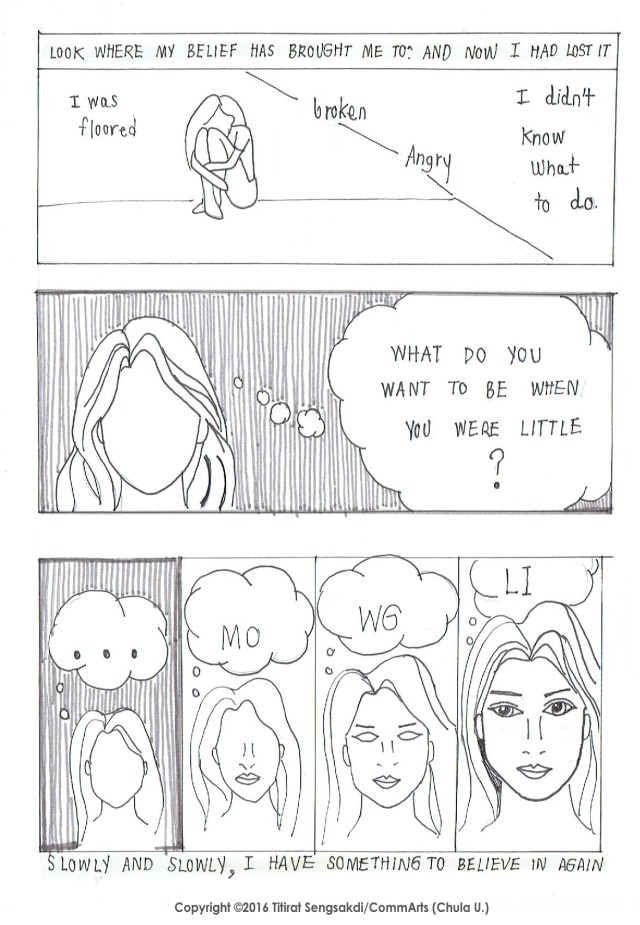
A graphic narrative (on the topic of ‘Crossing Borders’) by Thai student Titirat Sengsakdi – based on the true story of Caroline Casey– for her final individual project in IMGT COMM (2800217), April 2016.
Description of the Imaginative Communication course: “Methods of conversing emotions, feelings, ideas, values, beliefs and meaning of life through the languages of the imaginative world in the form of poetry, music and songs, literature, drama, film or other creative works of Thai and foreign artists; relationship between science and art of communications; media design for imaginative works; analysis of images and narratives.” This year’s theme: “Crossing Borders”.Communication Management, International Program, Faculty of Communication Arts, Chulalongkorn University.
PAGE 1/8PAGE 2/8PAGE 3/8PAGE 4/8
PAGES 3 & 4/8PAGE 5/8PAGE 6/8PAGE 7/8PAGE 8/8
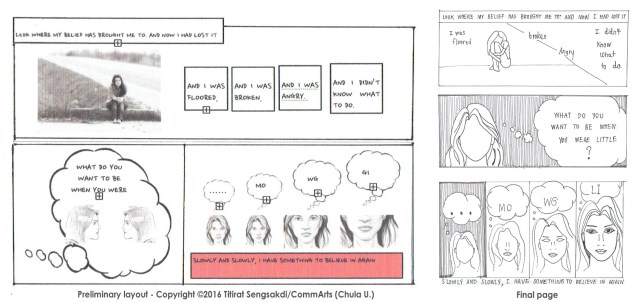
Below: some preliminary layouts and final pages with interesting composition/aesthetic choices.
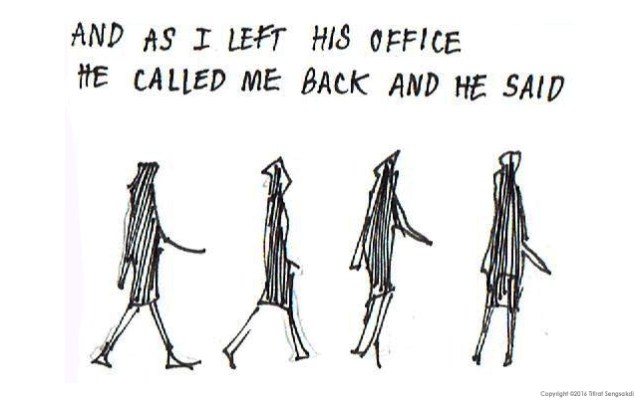
Preliminary layout and final version of page 7/8Preliminary layout and final version of page 8/8Detail of page 6/8
Reproduced with the author’s permission. All rights remain to the author.
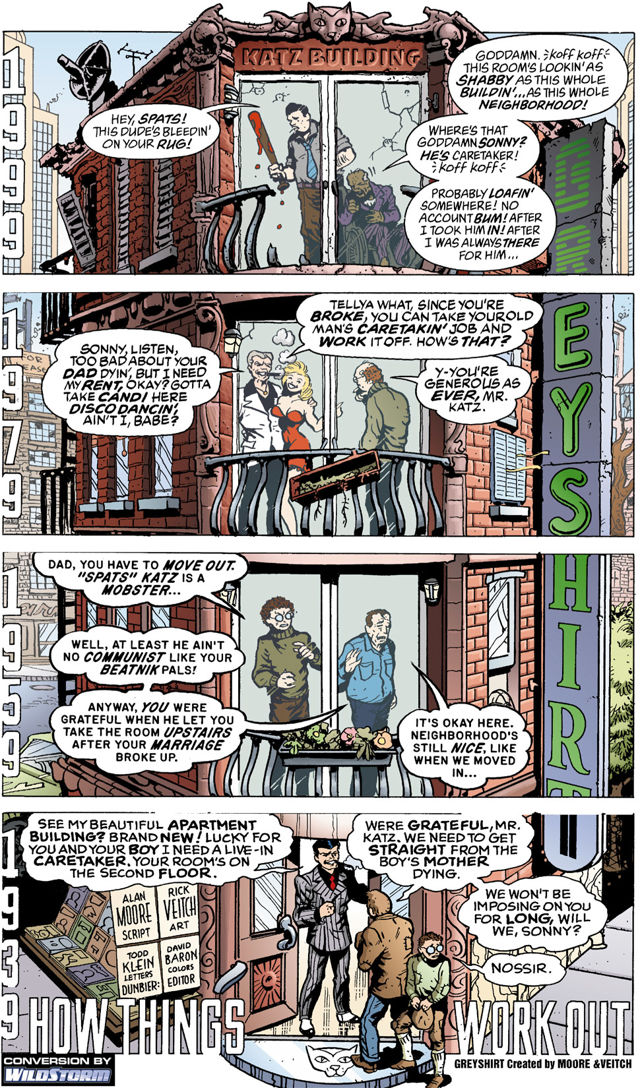
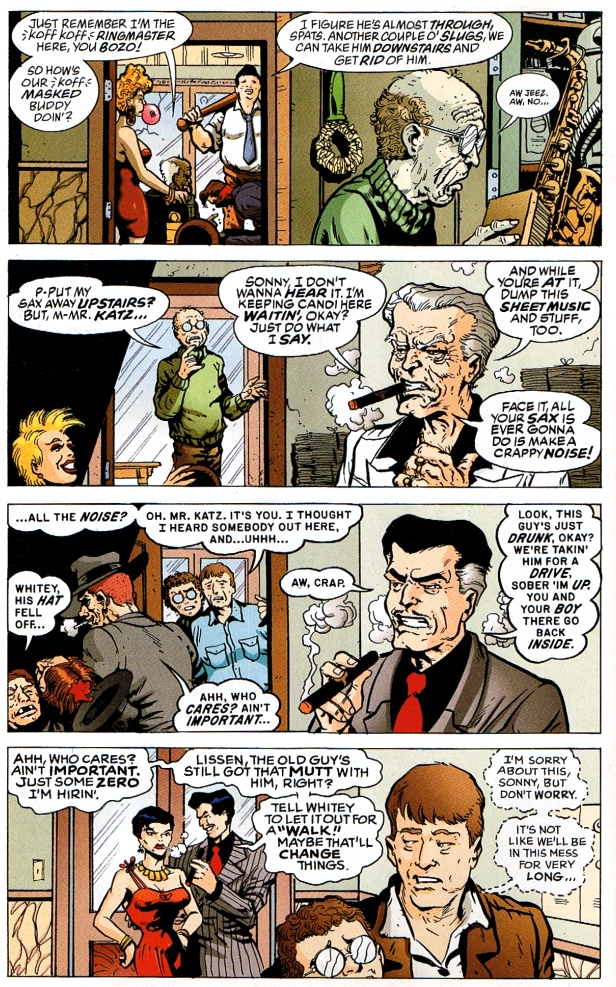
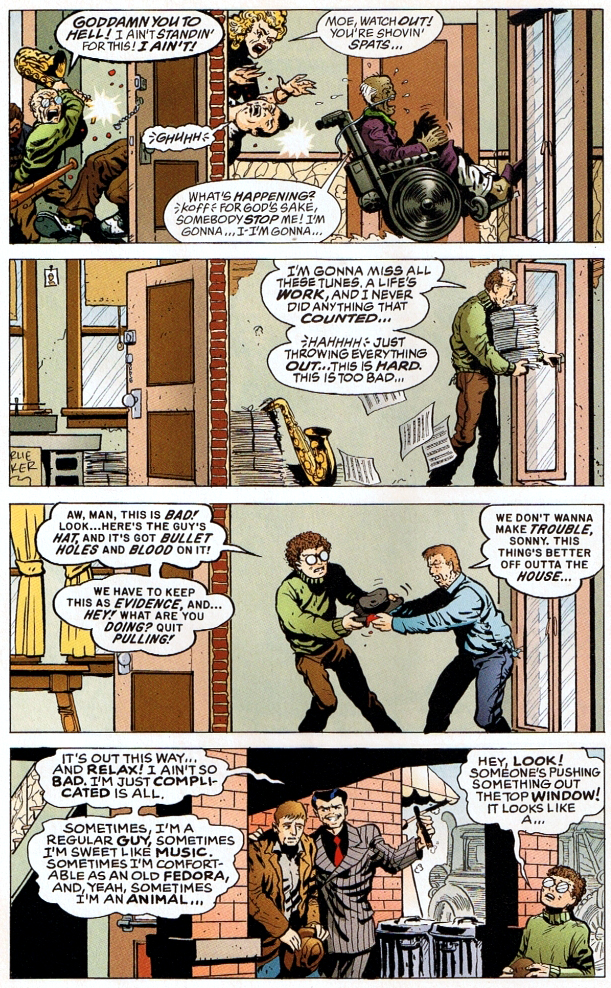
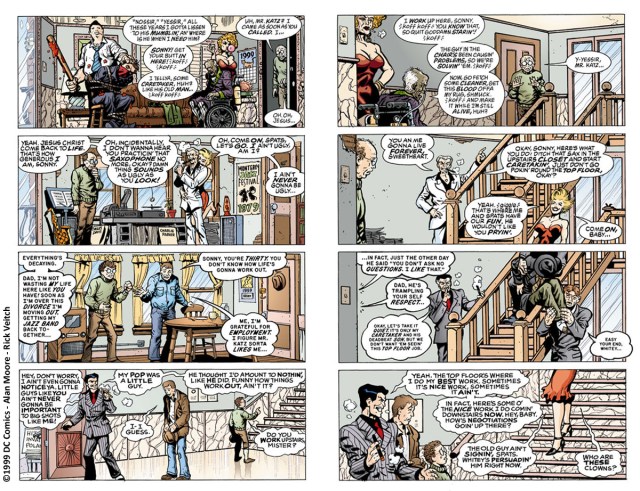
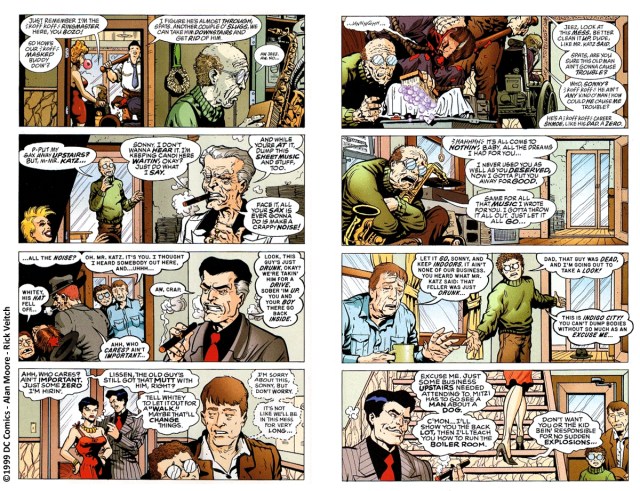
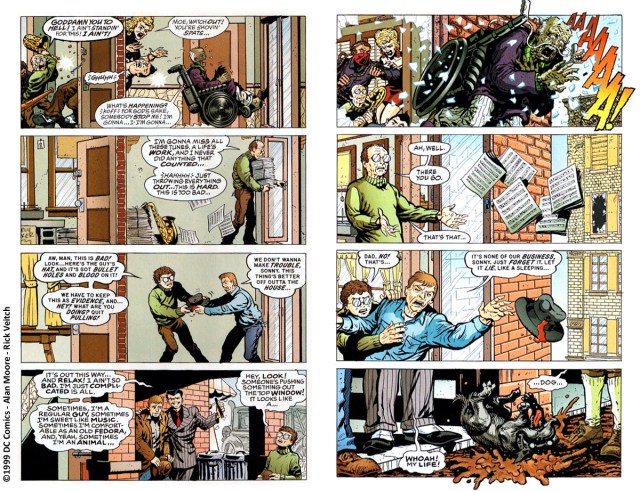
“In one of the Greyshirt stories in Tomorrow Stories, we did something very peculiar with the panel layouts. We had an apartment building, the same building, upon ever page. There are four horizontal panels on each page. Then, to add another element, we made it so that the top panels are all taking place in 1999, the second panel down on each page is taking place in 1979, the panel beneath that takes place in 1959, and on the bottom panel of each page, you’re seeing the bottom of the building as it was in 1939, when it was a fairly new building. We’re able to tell, by some quite complicated story gymnastics, quite an interesting little story that is told over nearly sixty years of this building’s life, with characters getting older depending upon which panel and which time period they’re in. There’s something that you couldn’t do in any medium other than comics.” Alan Moore (as cited on The Great Comic Book Heroes website), 2001.
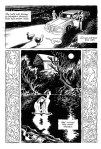
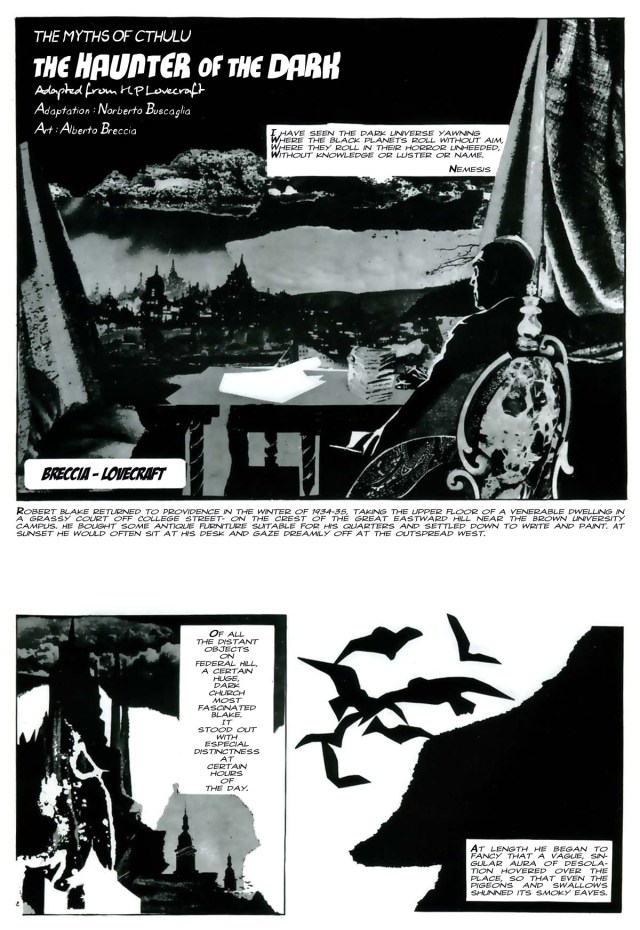
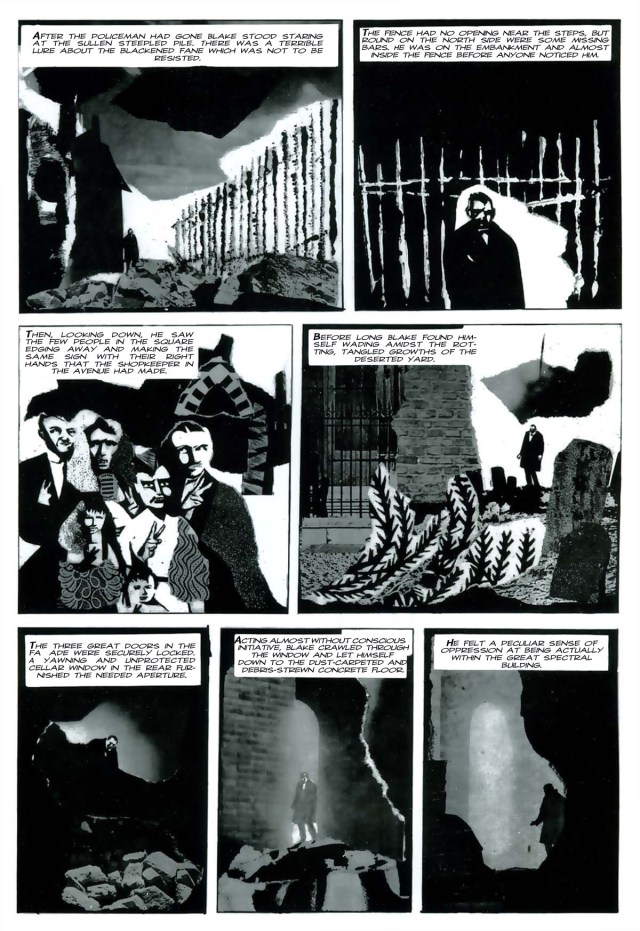
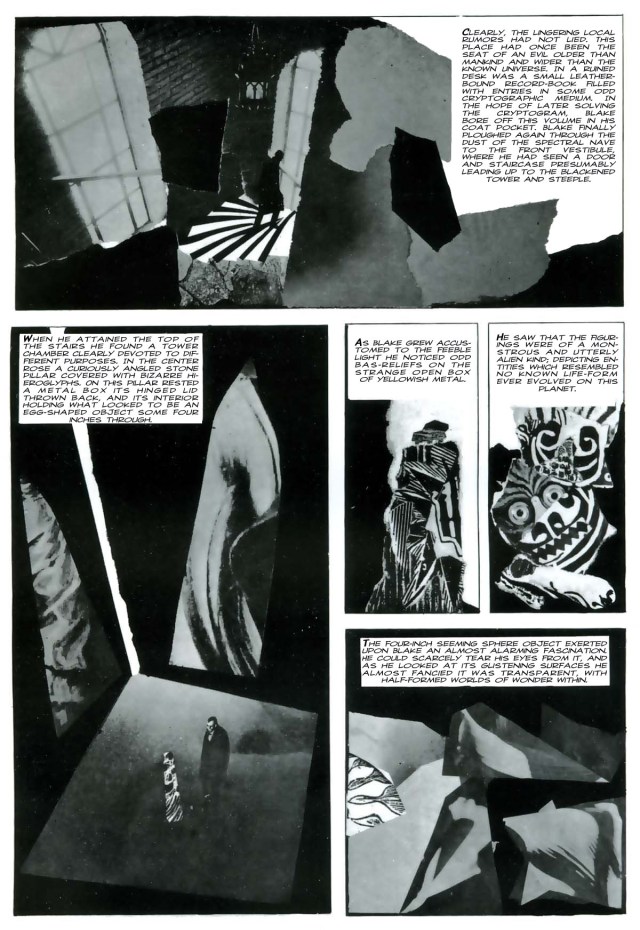
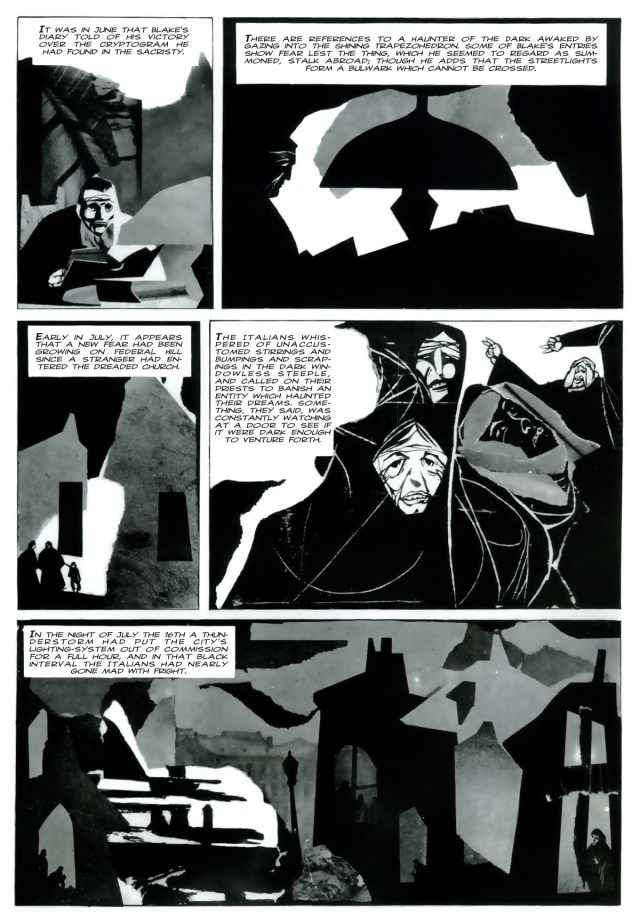
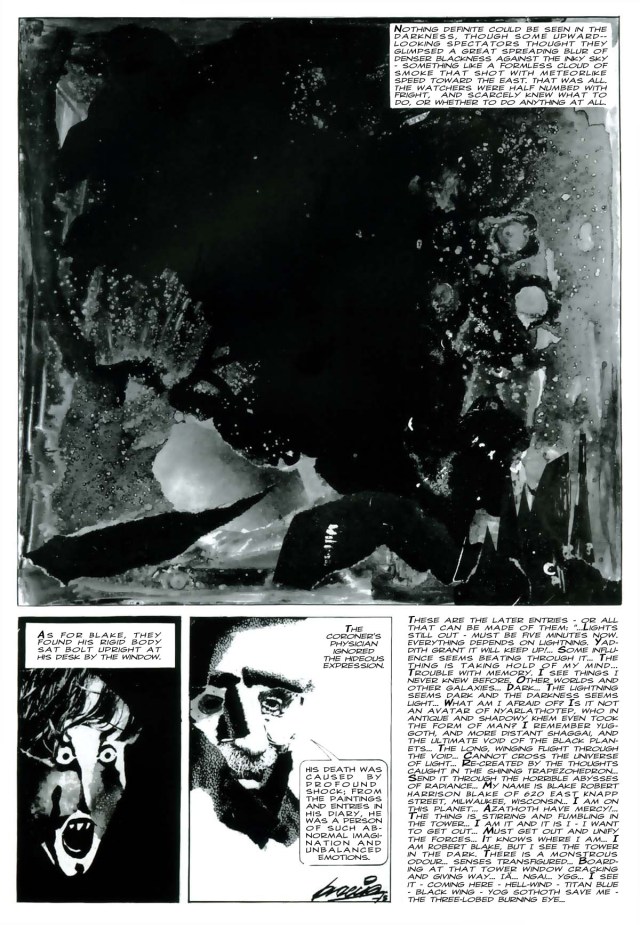
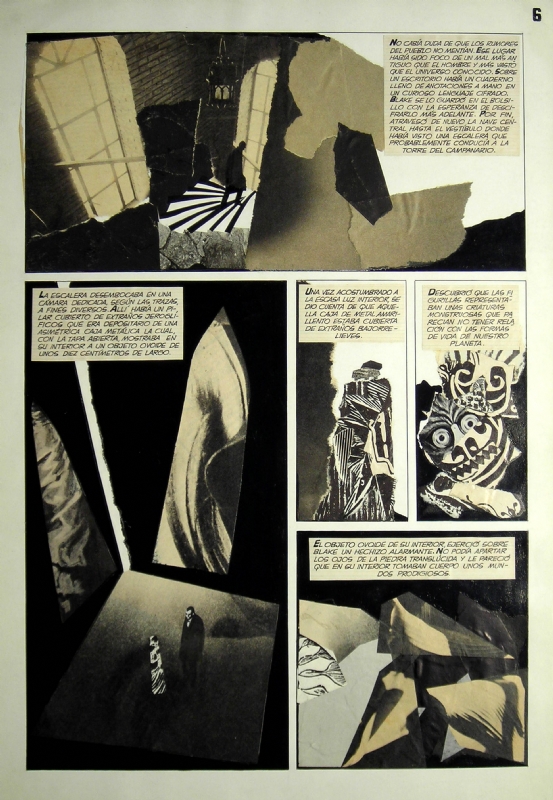
Cthulhu Mythos: The Haunter of the Dark(“Los mitos de Cthulhu: El morador de la tinieblas”), script by Norberto Buscaglia (AG) and art by Alberto Breccia (AG), based on the short story The Haunter of the Dark by H.P. Lovecraft, in: Los mitos de Cthulhu,
Ediciones Periferia, Argentina, December 1975. With original art (page 6) below.
With Fragile (link), Lebanese cartoonist and illustrator Fouad Mezher signs a stunning wordless graphic narrative about envy, need for recognition and the frailty of human nature & existence. Courtesy of Risha Projectwhich aims to connect and mutually inspire cultural realities of north-African, Middle-Eastern and European graphic artists. Published on September 10, 2014.
SUPER PIXEL QUEST by Emmanuel Espinasse
With Super Pixel Quest (link), French cartoonist and designer Emmanuel Espinasse proposes an innovative and highly enjoyable webcomics where the reader discovers, along with the main character, the various creepy corners and hidden doors of a ‘house of horrors’. The pixelated design, reminiscent of early action-platformer video games such as the 1987 NES Castelvania, is such a thrill! Clever use of animation and of the infinite canvas! [Note: The character moves either forward or backwards into new panels that appear in the browser as you click on either arrow]. Published in July 2014.
HEAVY LIGHTS OF JANUARY by Boulet
If light were a liquid (in January in a temperate country, though)… Heavy Lights of January (link) is a beautiful take on Magic Realism by merging comics panels and GIFs by French cartoonist Boulet.
« This fabulous adventure was the result of a frivolous remark I made while taking part in a seminar on the poetry of household objects. Toto asked me why the light went on with just a touch of a switch, and I did not have the courage to think about it twice. “Light is like water,” I answered. “You turn the tap and out it comes.” » in: Gabriel García Márquez’ short story “Light is Like Water”, 1978.
























































 from-dusk-till-drawn.com